You know the feeling. You’re turning a pile of half-finished compost, trying to mix in some fresh kitchen scraps, and your hand fork just… stops. The tines bend. The handle twists. You’re left with a useless piece of metal and a pile of rotting vegetables. It’s a small moment of failure, but it happens every single time you try to do the job.
A good hand fork for compost mixing needs to do three things well. It has to cut through wet, sticky material without clogging. It needs tines strong enough to pry apart clumps without bending. And the handle has to feel secure when your hands are covered in muck. That’s it. No fancy features, just solid construction.
We’ve sorted through the options to find five forks that actually work in a compost bin. You’ll find a heavy-duty beast for clay, a comfortable wooden-handled option for long sessions, a full-size spading fork for big piles, a budget-friendly two-pack, and a stainless steel pick for delicate work. Here’s how they compare.
Here’s a quick look at the key specs to help you see the differences at a glance.
| Features | Haliaeetus Hand Fork | Berry&Bird Hand Fork | FARMHOLYCOWKING Pitch Fork | CEEHHXI 2-Prong Cultivator | Garden Guru Hand Weeder |
|---|---|---|---|---|---|
| Material & Build | Stainless steel, wood handle | Stainless steel, ash wood | Steel head and handle | Forged steel, rust-resistant | Stainless steel, ergonomic grip |
| Tine Count | 3 tines | 3 tines | 4 tines | 2 tines | 3 tines |
| Handle Type | Ergonomic wood | Ergonomic ash wood | D-handle, 45-inch | T-bar, 10.6-inch | Ergonomic grip |
| Best Use Case | Weeding and turning | Clay and compacted soil | Large piles and compost | Tight spaces and pots | Delicate plants and mulch |
| Weight | Not specified | Not specified | Not specified | 5.8 oz | Not specified |
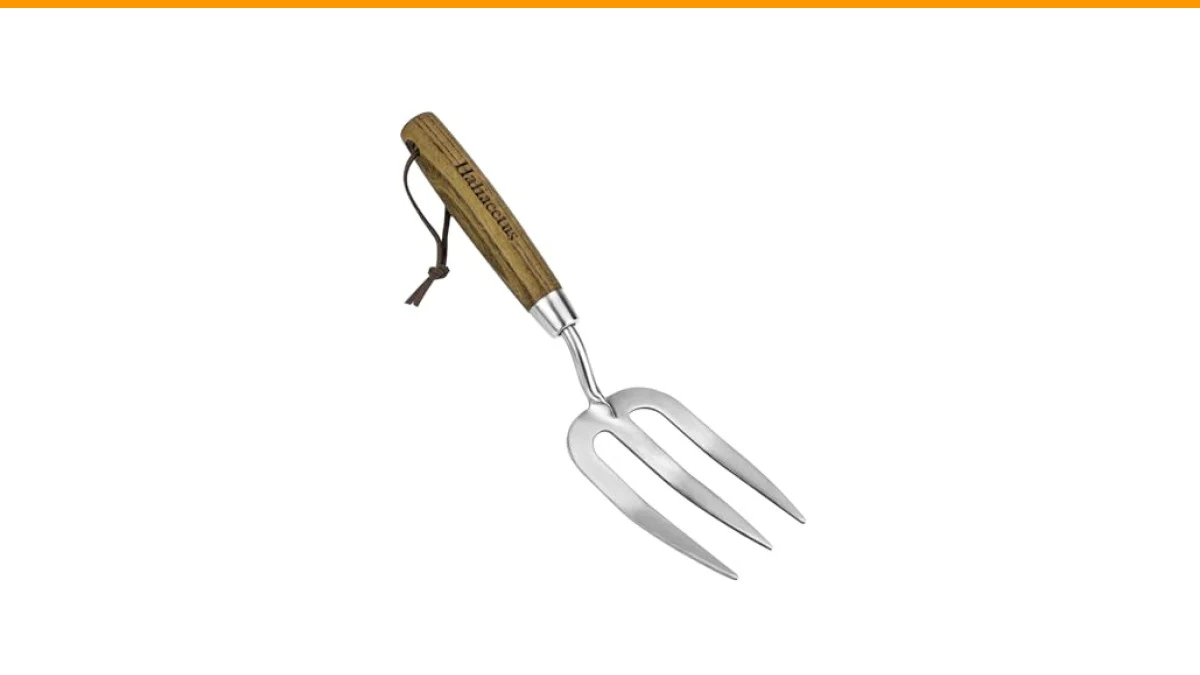
Haliaeetus Garden Hand Fork

Haliaeetus
Haliaeetus Garden Hand Fork, 12.3'' Hand Weeding Fork with Sharp Tine | for Easy Uprooting Large Weeds, Stainless Steel Garden Fork, Comfortable Wood Handle Hand Fork for Loosening Soil, Composting
- 【Great to Uproot Large Weeds】The gardening fork easily goes through the ground to digs deep under the weed and give more reach and…
- 【Loosens Soil Almost Effortlessly】With sharp and sturdy 3 prong tine that make it very easy to break through hard soil, even if yo…
- 【Comfortable Wooden Handle】Wood is a natural shock absorber and will not cause sore wrists even work for a few hours. The handle o…
This is the fork for the gardener who fights with heavy, clumpy compost. The Haliaeetus hand fork has three sharp tines that punch through matted material without needing a running start. If you’ve ever tried to mix compost that’s been sitting for a month, you know the top layer can feel like a brick. This tool breaks it apart.
The wooden handle is the standout feature here. Wood absorbs shock in a way plastic and metal don’t. When you hit a rock or a stubborn root, the vibration travels up the handle and into your wrist. A wood handle dulls that impact. The ergonomic shaping helps too, especially during long sessions. I’ve used forks with straight handles, and after an hour of turning compost, your palm starts to ache. This one doesn’t do that.
The trade-off is maintenance. Wood needs occasional oiling to keep from drying out and cracking. If you leave it outside in the rain, it will degrade. Also, the three-tine design works well for turning, but it’s not ideal for scooping. You’ll need a shovel for moving finished compost. This fork is for mixing, not hauling.
- Sharp tines: They bite into hard soil and compost without slipping.
- Shock-absorbing handle: Wood reduces wrist strain during repetitive turning.
- Seamless welding: The tines won’t snap off at the joint under pressure.
- Lifetime warranty: The company stands behind the build quality.
Best for: The gardener who turns compost by hand in a pile or bin and wants a tool that won’t wear out their wrists.
Berry&Bird Gardening Hand Fork

Berry&Bird
Berry&Bird Gardening Hand Fork, Stainless Steel Hand Weed Fork | Traditional Garden Hand Fork Tool with Ergonomic Ash Wood Handle, Garden Tool for Weeding, Digging, Planting and Cultivating
- WHAT YOU GET - 1 * Stainless Steel Hand Fork. Our garden forks are made by traditional manual process and can be used for more tha…
- ERGONOMIC DESIGN- Berry&Bird hand fork has good balance and comfortable proportion, which is very suitable for planting in small a…
- STRONG AND TOUGH - Ideal for aerated soil, it will not bend under the action of force when used for harder garden work. The sharp…
Berry&Bird makes tools for people who treat gardening as a long-term relationship. This hand fork is built with an ash wood handle from a certified forest and stainless steel tines. The target buyer is someone who wants a tool that gets better with age. The wood smooths out as you use it, and the stainless steel resists rust.
The real strength here is soil penetration. The tines are sharp and spaced well for breaking up clay. If your compost pile has a lot of clay mixed in, or if you’re mixing compost into heavy garden soil, this fork handles it. The stainless steel also reduces soil adhesion. That means less sticking and less scraping. You finish the job faster.
Here’s the honest caveat: this fork is not for the lazy gardener. The wooden handle requires care. You can’t just hose it off and toss it in the shed. You need to dry it and oil it occasionally. If you’re the type who leaves tools out for weeks, this isn’t the one for you. The other limitation is the size. It’s a hand fork, so it’s best for small areas, pots, and raised beds. For a massive compost pile, you’ll want something bigger.
- Stainless steel tines: They resist rust and don’t bend under force.
- FSC-certified ash handle: The wood comes from responsibly managed forests.
- Reduced soil adhesion: Wet compost slides off instead of caking on.
- Two-year warranty: A solid guarantee for a hand tool.
Best for: The eco-conscious gardener with clay-heavy soil who wants a durable, sustainable tool for raised beds and borders.
Pitch Fork for Garden, 4-Tines
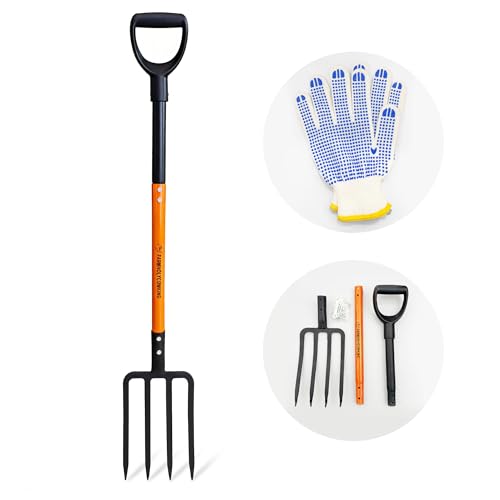
FARMHOLYCOWKING
Pitch Fork for Garden, 4-Tines Garden Fork, 45-Inch Spading Fork, Heavy Duty Compost Digging Fork with Steel Handle and Enhanced D-handle, Orange
- Built for Garden & Compost Work This pitchfork for garden use is designed for everyday digging, turning compost, loosening soil, a…
- 4-Tines Garden Fork for Better Control Among practical pitchforks for gardening, the 4-tines design offers balanced spacing for ef…
- Heavy Duty Steel Construction Built as a durable garden fork for loosening soil, the reinforced steel head and steel handle resist…
This is not a hand fork. It’s a full-size spading fork with a 45-inch handle. The FARMHOLYCOWKING pitch fork is for the gardener with a serious compost operation. If you have a three-bin system or a large open pile, this is the tool that saves your back. You stand upright and use leverage instead of bending over and straining.
The four-tine design is the key difference. Those tines are spaced for lifting and turning. When you’re mixing a pile that’s several feet deep, a hand fork gets lost. This tool moves serious volume. The steel handle and reinforced head resist bending even when you’re prying apart wet, compacted layers. The D-handle gives you a secure grip, which matters when you’re wearing gloves and the handle is slick.
The downside is maneuverability. You can’t use this in a small tumbler or a worm bin. It’s too big. It’s also heavier than a hand fork, so if you have limited upper body strength, it might be tiring. And for mixing compost into a single pot? Forget it. This is a dedicated tool for dedicated piles.
- 45-inch length: Provides leverage and reduces back strain.
- Four-tine head: Moves more material with each turn than a hand fork.
- Steel construction: Resists bending in compacted or wet compost.
- D-handle grip: Keeps your hand secure during heavy lifting.
Best for: The gardener with a large compost pile or multiple bins who wants to turn and mix without bending over.
CEEHHXI,2-Pack 2-Prong

CEEHHXI
CEEHHXI,2-Pack 2-Prong Hand Cultivator Fork ,Small Garden Fork 2 Prong Garden Fork Steel Garden Hand Rake for Loosening Soil, Weeding, Tilling & Aerating
- Forged Steel –soil-loosening fork Crafted from durable forged steel with a rust-resistant coating, this hand-held 2-prong fork eas…
- Ergonomic –2 tine hand cultivator The ergonomic T-bar handle fits naturally in your palm, reducing hand fatigue during extended us…
- Lightweight –small garden fork Weighing only 5.8 oz with a compact 10.6-inch length, this lightweight cultivator maneuvers easily…
The CEEHHXI two-prong cultivator is a different kind of tool. It’s small, light, and designed for precision. This is the fork for the container gardener. If you’re mixing compost into pots, raised bed corners, or seed-starting trays, a full-size fork is overkill. This one fits in tight spaces and weighs almost nothing.
The forged steel construction is a real advantage. Forged metal is stronger than welded or cast metal. It won’t snap at the joint because there is no joint. The two-prong design is also good for a specific task: pulling weeds and aerating around established plants. You can work close to stems without damaging roots. The T-bar handle fits in your palm and gives you control.
But let’s be clear about limitations. Two tines are not ideal for mixing large volumes of compost. You’ll be there all day. This tool is for small batches and spot mixing. The 10.6-inch length is compact, which is great for storage but means less leverage. If your compost is dense and wet, you’ll have to work harder. It’s a niche tool, but for that niche, it’s excellent.
- Forged steel: Stronger than welded tines and resists rust.
- Lightweight: At 5.8 ounces, it’s easy to maneuver for long periods.
- Two-pack value: You get a spare or one to share.
- Compact size: Fits in small spaces and hangs for storage.
Best for: The container gardener or balcony grower who mixes small batches of compost in pots and raised beds.
Garden Guru Stainless Steel

Garden Guru Lawn & Garden Tools
Garden Guru Stainless Steel Hand Weeder Fork Tool – Rust Resistant Stainless Steel – Ergonomic Handle – Great for Planting, Spreading Mulch, Weeding, Loosening & Transplanting Soil
- A must-have hand tool for every gardener. This hand rake is perfect for weeding, loosening and transplanting soil, turning, and sp…
- Stainless steel tines are rust resistant and sturdy, allowing easy penetration of soil. Fork also has the maneuverability to work…
- Ergonomic grip for comfort and control makes weeding and transplanting a breeze. Grip is designed to alleviate pressure on the pal…
Garden Guru targets the gardener who wants comfort above all else. This hand weeder fork has an ergonomic grip designed to reduce pressure on your palm and fingers. If you have arthritis or just hate the feeling of a hard handle digging into your hand, this is a strong candidate. The grip is the selling point.
The stainless steel tines are rust-resistant and sturdy. They penetrate soil easily and have enough maneuverability to work around delicate plants. That makes this fork good for mixing compost into beds where you already have plants growing. You can turn the compost into the top layer without disturbing roots. The large hang hole is a small but useful detail for storage.
The trade-off is durability under extreme force. This is a hand fork, not a pry bar. If you’re trying to break apart a rock-hard clump of clay, the tines might flex. It’s better suited for mixing and turning already-broken-down compost. The lifetime warranty is a strong vote of confidence, though. And the 90-day satisfaction guarantee means you can test it without risk.
- Ergonomic grip: Reduces hand and wrist fatigue during long sessions.
- Rust-resistant tines: Stainless steel holds up to wet compost.
- Maneuverable: Works around delicate stems and existing plants.
- Lifetime warranty: Backed by a no-questions-asked guarantee.
Best for: The gardener with hand pain or arthritis who needs a comfortable fork for mixing compost into planted beds.
How We Chose These Products
We started with the job itself. Mixing compost is different from digging a hole or planting a bulb. Compost is wet, fibrous, and inconsistent. It clumps. It sticks. It puts torque on a fork in ways dry soil doesn’t. So we looked for tools that address those specific challenges.
We evaluated tine construction first. Forged tines beat welded tines for strength. Thicker stainless steel resists bending better than thin metal. Handle material came next. Wood absorbs shock but needs care. Plastic and rubber grips are low-maintenance but can slip when wet. We also considered tine count. Three tines are a good balance for mixing. Two tines are for precision. Four tines are for volume. Finally, we looked at warranties. A lifetime warranty on a hand tool tells you the maker expects it to last.
Buying Guide: What Really Matters
Forged versus welded tines is the first thing to check. Forged tines are shaped from a single piece of metal. They don’t have a weak point at the base. Welded tines are attached to the head. Under heavy load, the weld can crack. For compost mixing, forged is better. You’ll pay more, but you won’t replace the tool every year.
Tine count and spacing matter more than most people realize. Three tines with moderate spacing handle fibrous compost well. The gaps let material pass through instead of clogging. Two tines are for delicate work and small batches. Four tines move more material but can clog with stringy weeds. Match the tine count to your compost. If your pile has a lot of twigs and stems, go with three tines.
Handle material and shape affect comfort and control. Ash wood is traditional for a reason. It absorbs vibration and feels warm in cold weather. But it needs oiling. Rubberized grips are comfortable but can degrade over time. T-bar handles give you a secure grip for twisting motions. D-handles are better for lifting. Think about how you’ll use the fork. If you’re turning and mixing, a T-bar or ergonomic grip works well. If you’re lifting and moving, a D-handle is better.
Weight and balance are the final pieces. A heavy fork tires you out. A light fork might lack the strength to pry apart clumps. The best fork feels balanced in your hand. The weight should be in the head, not the handle. That gives you leverage without strain. If you have hand or wrist issues, look for a lighter fork with a thicker grip.
Matching Your Fork to Your Compost Setup
Your compost system dictates the right tool. A tumbler is enclosed and usually smaller. You don’t need a full-size spading fork. A hand fork with three tines works well for breaking up clumps and mixing in new material. The CEEHHXI two-prong cultivator is also a good fit for small tumblers because it’s compact.
An open pile is a different beast. Piles get large. The material at the bottom compacts. You need leverage. A full-size spading fork like the FARMHOLYCOWKING pitch fork is the right choice. It lets you stand up and turn the pile without bending. For a pile that’s smaller or in a bin, the Haliaeetus or Berry&Bird hand forks work well. They give you more control for mixing in greens and browns.
A worm bin requires a gentle touch. You don’t want to chop up your worms. A hand fork with rounded tines is better than one with sharp points. The Garden Guru fork has stainless steel tines that are sturdy but not overly aggressive. The CEEHHXI two-prong is also a good option because you can work around worm clusters without disturbing them too much.
Cleaning, Rust Prevention, and Storage
Compost residue is acidic and holds moisture. Left on a fork, it will cause rust. Clean your tool after every use. A stiff brush removes most of the gunk. For sticky residue, rinse with water and dry immediately. Don’t let it air dry. Towel it off.
Wood handles need occasional oiling. Linseed oil or a food-safe mineral oil works well. Apply a thin coat and let it soak in. This prevents cracking and keeps the wood from drying out. Stainless steel tines don’t need oil, but a light coat of WD-40 on the metal can help if you live in a humid climate.
Storage matters too. Hang your fork if possible. The hang hole is there for a reason. Don’t toss it in a bucket with other tools. Metal-on-metal contact can dull tines and chip handles. A simple hook in the shed keeps it dry and ready. If you’re storing it for the winter, clean it thoroughly, oil the handle, and hang it up.
Frequently Asked Questions
Can I use a hand trowel instead of a hand fork for compost mixing? You can, but it’s not ideal. A trowel is designed for scooping and planting. It has a solid blade, not tines. When you mix compost, a trowel pushes material around instead of letting it flow through. A fork’s tines separate and aerate the compost as you turn it. That’s the whole point. A trowel also clogs faster with wet, sticky material.
How do I stop compost from clogging my fork tines? Clogging happens when the material is too wet or the tine spacing is too narrow. If your compost is soggy, add more brown material like shredded cardboard or dry leaves. That improves the texture. For the fork itself, choose one with wider tine spacing. Three tines with moderate gaps work better than four tines packed close together. You can also spray the tines with a little vegetable oil before you start. It helps material slide off.
Will a stainless steel fork rust if I leave it in the compost? Stainless steel resists rust, but it’s not rust-proof. If you leave it in a wet compost pile for days, you’ll see spots. The chromium in stainless steel creates a protective layer, but that layer can break down in acidic environments. Compost is acidic. So clean your fork after use. Don’t leave it in the pile overnight. A quick wipe and a dry storage spot will keep it rust-free for years.
What’s the best handle material for someone with arthritis? Look for a handle that’s thick and has some give. Wood is a good choice because it absorbs shock. But the shape matters more than the material. An ergonomic handle with a curved shape that fits your palm reduces pressure on your joints. The Garden Guru fork has a grip designed for this. A T-bar handle can also work because you grip it with your whole hand instead of just your fingers. Avoid thin, straight handles. They force you to grip harder, which aggravates arthritis.
Our Top Recommendation
The Haliaeetus Garden Hand Fork is our top pick for most gardeners. It balances strength, comfort, and price. The sharp tines cut through compost without bending. The wooden handle absorbs shock and reduces fatigue. The lifetime warranty means you’re covered if anything goes wrong. It’s not the cheapest option, but it’s the one you’ll reach for every time you turn your pile.
If you have a large pile and want to save your back, the FARMHOLYCOWKING pitch fork is the runner-up. It’s a full-size tool for serious composters. For those on a tight budget, the CEEHHXI two-pack is a solid choice for small batches and container gardens. And if hand pain is your main concern, the Garden Guru fork’s ergonomic grip is worth the investment.