
The Best Climbing Roses for Arbors: A Comprehensive Guide
Contents
Imagine walking through your garden and being greeted by a cascade of vibrant blooms climbing elegantly over your arbor. The sight and fragrance of climbing roses can transform any outdoor space into a picturesque retreat. However, choosing the right climbing roses for arbors can be overwhelming, given the numerous options available. In this guide, you will learn about the best climbing roses, their specific needs, and how to care for them effectively.
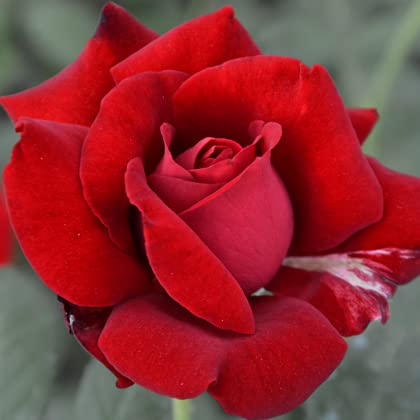
This article will provide an overview of the top climbing rose varieties, including their key features and ideal growing conditions. You’ll also find practical tips for planting and training these beautiful plants on your arbor. Plus, I’ll introduce you to a fantastic option for your garden: Ma Cherie Roses – Don Juan red climbing roses. These roses are perfect for adding a stunning touch to any garden with their dark red blooms and strong fragrance.
na
Ma Cherie Roses - Don Juan red climbing roses live plants, rose bushes ready to plant, 2 quart pot, roses live plants, climbing roses
- Dark Red Climber
- Strong Fragrance
- Large Blooms

Choosing the Right Climbing Roses for Your Arbor
When selecting climbing roses for arbors, consider several factors such as climate, sun exposure, and the space available. Climbing roses generally fall into two categories: hybrid teas and climbers. Hybrid teas are bred for their large, showy blooms, while climbers are known for their ability to cover vertical spaces quickly.
Here are some factors to consider:
- Sunlight: Most climbing roses thrive in full sun, requiring at least six hours of direct sunlight daily.
- Soil: Well-draining soil is crucial for the health of climbing roses. Amend heavy clay or sandy soils with organic matter.
- Space: Ensure you have enough room for the rose to spread. Some varieties can grow up to 20 feet tall.
Top Varieties of Climbing Roses
Here are some of the best climbing roses that will thrive on your arbor:
1. Don Juan
This climbing rose produces large, dark red blooms with a strong fragrance. It blooms continuously from late spring through fall and can reach heights of up to 12 feet. Don Juan is particularly hardy and adapts well to various climates, making it a favorite among gardeners.
2. New Dawn
Known for its soft pink flowers and lovely fragrance, New Dawn is an excellent choice for arbors. It can grow 10 to 15 feet tall and is resistant to many diseases. This rose blooms profusely from late spring to early fall.
3. Climbing Iceberg
Climbing Iceberg features pure white flowers and a reliable blooming pattern. It can reach heights of 8 to 10 feet and is known for its disease resistance. This rose is perfect if you’re looking for a classic and elegant appearance.
4. Lady of the Lake
This climbing rose stands out with its vibrant purple blooms. It grows approximately 8 to 10 feet tall and can handle a range of soil types, which makes it versatile for different gardens.
Planting and Training Climbing Roses on Arbors
After selecting the best climbing roses for your arbor, proper planting and training are vital to their success. Here are step-by-step instructions:
- Choose the Right Time: Early spring or fall is the best time to plant climbing roses.
- Prepare the Soil: Ensure the soil is well-drained and rich in organic matter. Add compost or well-rotted manure to enhance soil quality.
- Planting: Dig a hole twice as wide as the root ball and deep enough to accommodate the roots. Place the rose in the hole, backfill with soil, and water thoroughly.
- Training: As the rose grows, guide its stems along the arbor using soft ties. Regularly prune to encourage air circulation and maintain shape.
Comparison of Climbing Roses
| Rose Variety | Height | Bloom Color | Fragrance | Blooming Season |
|---|---|---|---|---|
| Don Juan | 8-12 feet | Dark Red | Strong | All Season |
| New Dawn | 10-15 feet | Soft Pink | Moderate | Late Spring – Fall |
| Climbing Iceberg | 8-10 feet | White | Light | Late Spring – Fall |
| Lady of the Lake | 8-10 feet | Purple | Moderate | Summer – Fall |
Frequently Asked Questions
What is the best soil for climbing roses?
Climbing roses prefer well-draining soil rich in organic matter. A mix of garden soil, compost, and peat moss works well.
How much sunlight do climbing roses need?
Most climbing roses thrive in full sun, requiring at least six hours of direct sunlight each day.
When should I prune my climbing roses?
Prune climbing roses in late winter or early spring before new growth begins. This encourages healthy blooms and shape maintenance.
Can climbing roses grow in containers?
Yes, climbing roses can grow in containers, but make sure the pot is large enough (at least 18 inches in diameter) and has good drainage.
How often should I water climbing roses?
Water climbing roses deeply once or twice a week, depending on weather conditions. Avoid overhead watering to prevent disease.
Final Thoughts
- Choose climbing roses that match your local climate and growing conditions.
- Plant in well-draining soil with ample sunlight for optimal growth.
- Regular pruning and training will enhance the beauty of your climbing roses.
- Consider varieties like Don Juan for a fragrant and visually striking display.
- Monitor for pests and diseases to keep your climbing roses healthy.
For more information on supporting structures, check out our article on the best trellises for climbing roses. You can also explore options for the best trellis for roses to ensure they have the support they need to flourish.