


Best Backpack Leaf Blowers Gasoline Powered: 5 Picks That Actually Earn Their Keep
Contents
Autumn hits, and suddenly your driveway looks like a crime scene. Wet maple leaves plastered to the concrete. Pine needles wedged between pavers. You drag out the electric blower, and it dies halfway down the fence line. The extension cord snags on a bush. Again.
That’s the moment a serious gas backpack blower stops being a luxury. It’s the difference between fighting your yard for three hours and finishing before lunch. These machines carry the engine on your back, put real air volume in your hand, and don’t quit when the pile gets deep or the grass gets damp.
We’ve sorted through the current field to find five gasoline-powered backpack blowers that deserve your attention. From a budget-friendly 51cc workhorse to a 72cc monster that laughs at wet leaves, each one earned its spot. Below you’ll find a spec comparison, deep-dive reviews, and honest talk about trade-offs. No fluff, no hype. Just what you need to spend your money wisely.
Here’s a quick look at how the key specs stack up across our five picks.
| Features | HASANEN 63CC | VEVOR 63CC | Husqvarna 150BT | nowcamp 72CC | PROYAMA 72CC |
|---|---|---|---|---|---|
| Engine Displacement | 63cc | 63cc | 51cc | 72cc | 72cc |
| Max Air Volume | 850 CFM | 1110 CFM | 765 CFM | 760 CFM | 880 CFM |
| Max Air Speed | Not specified | 220 MPH | 270 MPH | 230 MPH | 275 MPH |
| Fuel Tank Size | 1.8L | 1.89L | Not specified | 1.7L | Not specified |
| Best For | Balanced homeowner use | High-volume clearing | Ergonomic comfort | Raw power on a budget | Commercial-grade power |
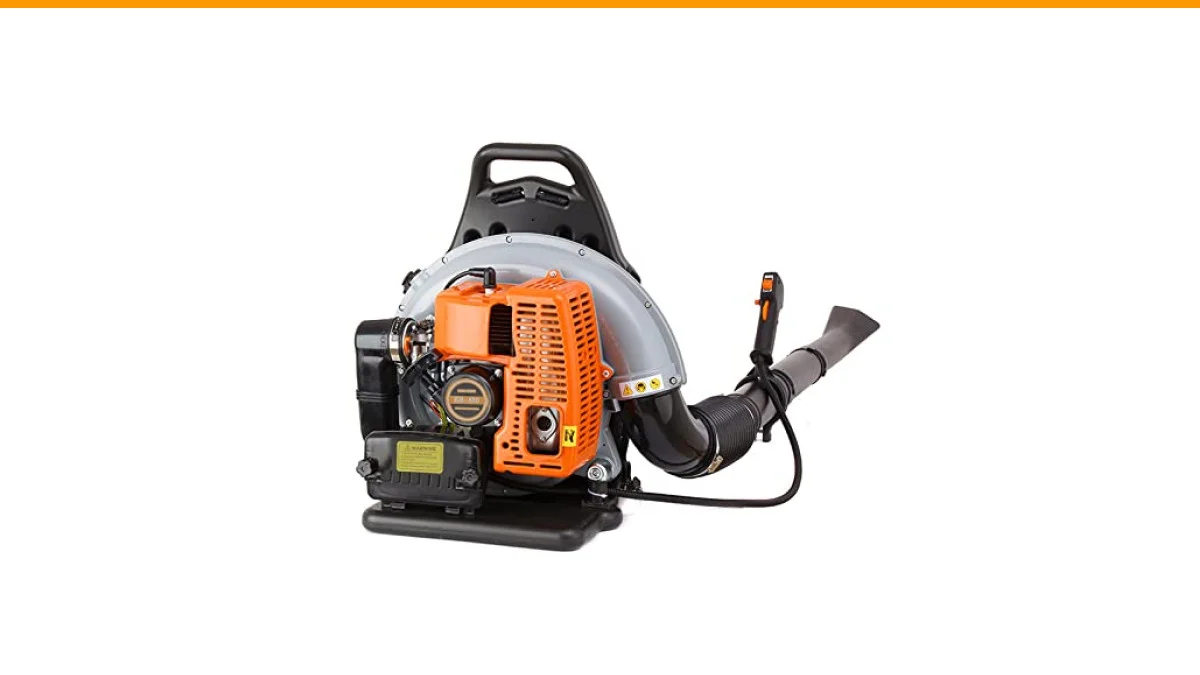
HASANEN 63CC Backpack Blower
1st Pick

HASANEN
Backpack Gas Powered Leaf Blower, Commercial 2.7kW 850CFM 63CC 4.3HP 2-Stroke Powerful Lightweight Gasoline Grass Lawn Blower w/Harness Air-Cooled & 1.8L Fuel Tank for Yard Lawn Care, Snow Removal
- Impressive Efficiency & Large Fuel Tank: Its large displacement of 63CC provides a high speed of 6800r/min. Its powerful two-strok…
- Widespread Blowing&Thoughtful Design: The long flame-retardant air outlet supports up and down 120° adjustment, and left and right…
- Easy to Use: Its switch and accelerator are designed on the same control handle, allowing you to control them with one hand. Besid…
The one that balances power and price for the average homeowner.
HASANEN’s 63cc entry is aimed squarely at people with a half-acre to a couple of acres who are tired of push blowers. It’s a 2-stroke that produces a claimed 850 CFM of air volume, which is plenty for moving regular leaf piles and even light snow. The 4.3HP rating comes from a 63cc engine spinning up to 6800 r/min. If you’ve got a mix of grass, gravel, and hard surfaces, this unit handles them all without bogging down.
What stands out here is the thought put into daily use. The air outlet adjusts up and down 120 degrees and side to side 135 degrees, so you can direct air precisely without twisting your wrist into a knot. The control handle houses both the switch and the throttle, and a constant-speed switch locks in whatever RPM you choose. That means your finger doesn’t cramp after 20 minutes of continuous blowing. The 1.8L fuel tank (about 0.47 gallons) keeps you running for a good while between refills, and the visible fuel line lets you see what’s happening at a glance.
No machine is perfect, and this one has a couple of caveats. The 19.7-pound weight is reasonable, but the harness, while padded and breathable, isn’t in the same league as premium brands like Husqvarna or Stihl. For a full day of commercial work, you’d feel it. Also, the 850 CFM figure is strong, but it’s not a 1100+ CFM monster. Wet, heavy, matted leaves will take a bit more patience. It’s built from PP material that resists heat and impact, which is good for durability, but the overall fit and finish won’t wow a professional landscaper.
- Engine: 63cc 2-stroke, 2.7kW (4.3HP), 6800 r/min max speed
- Air Volume: 850 CFM
- Fuel Tank: 1.8L (0.47 gal) with visible fuel delivery pipe
- Adjustability: 120° up/down, 135° left/right air outlet
- Weight: 19.7 lbs with top-handle design for easy carrying
Best for: The homeowner who wants serious blowing power without spending commercial money, and who values easy starting and comfortable operation over raw top-end speed.
VEVOR 63CC Gas Backpack Blower
The volume king for clearing wide-open spaces fast.
VEVOR’s 63cc model makes one thing clear: it wants to move air. With a claimed 1110 CFM and 220 MPH, this thing is a hurricane on your back. It’s built for people with large properties, long driveways, or who regularly deal with heavy leaf accumulation. If you’re clearing a big yard or a commercial lot, this blower shortens the job considerably. The 2-cycle engine runs on a standard gas-oil mix, and the 1.89L fuel tank delivers roughly 50-60 minutes of continuous use per fill.
The accessory kit is genuinely impressive. VEVOR throws in noise-reducing earmuffs, a manual, a corrugated tube, main air tube, extension tube, flat nozzle, two clamps, a socket wrench, open wrench, Philips screwdriver, two hex keys, a dual-port mixing bottle, funnel, and a tool bag. That’s everything you need to assemble it and keep it running, which removes a lot of friction for first-time gas blower owners. The backpack itself uses high-strength nylon with adjustable padded straps and a thick back cushion, plus a shock-absorption system. It’s not just about carrying the weight; it’s about not feeling every vibration in your spine.
Here’s the honest trade-off. The massive CFM comes from a design that prioritizes volume over velocity. At 220 MPH, it’s not the fastest air stream in this lineup. For blowing heavy, wet debris out of tight corners or moving gravel off a walkway, a higher-MPH unit might do better. Also, with that much air volume, the noise level is substantial. The included earmuffs are a hint that you’ll want hearing protection. And while the nylon backpack is durable, the overall build quality won’t match a Husqvarna or Stihl over a decade of hard use.
- Engine: 63cc 2-cycle, manual pull start
- Air Volume: 1110 CFM at 220 MPH
- Fuel Tank: 1.89L, 50-60 minutes runtime
- Comfort: Shock-absorption system, padded shoulder straps, thick back cushion
- Extras: Full accessory kit with tools, mixing bottle, and earmuffs
Best for: The property owner with large open lawns and driveways who wants to clear massive leaf coverage in a single pass without stopping to refuel.
Husqvarna 150BT Gas Backpack
3rd Pick

Husqvarna
Husqvarna 150BT Gas Backpack Leaf Blower, 51-cc 2.16-HP 2-Cycle
- Husqvarna 150BT Backpack Leaf Blower Gas Powered combines a high powered gas leaf blower with state-of-the-art ergonomic design
- Powerful Clearing Performance: The 2-cycle, 51-cc, 2.16-HP engine within these backpack leaf blowers has a powerful blowing force…
- Ergonomic Harness System: This leaf blower backpack features a padded harness, hip belt and weight-leveling load management system…
The ergonomic standout that feels lighter than it is.
Husqvarna needs little introduction in the outdoor power equipment world. The 150BT is their entry-level backpack blower, but there’s nothing cheap about the engineering. It’s powered by a 51cc X-TORQUE engine that produces 2.16 HP, 765 CFM, and 270 MPH. The X-TORQUE design is the star here. It delivers more power at lower RPMs, which means better fuel efficiency and lower emissions compared to conventional 2-strokes. This blower is ideal for the homeowner who wants a reliable, comfortable machine for regular yard maintenance, not necessarily for clearing a football field of leaves.
The real selling point is the harness system. Husqvarna’s ergonomic design includes a padded harness, hip belt, and a weight-leveling load management system. This isn’t just marketing copy. The weight distribution keeps the load on your hips and shoulders where it belongs, not all on your lower back. For anyone who’s spent hours hunched over a handheld blower, this is a revelation. The air purge system removes air from the carburetor and fuel system, which translates to easier starts. And the variable speed throttle with cruise control means you can set it and forget it, letting the machine hold a steady pace while you focus on the debris.
Let’s be clear about the limitations. At 51cc, this is the smallest engine in our lineup. It’s not going to compete with the 72cc monsters on sheer air volume. For large commercial jobs or clearing heavy, wet snow, you’d want more power. The 765 CFM is respectable, but it’s on the lower end here. Also, this is a 2-cycle engine, so you’ll need to mix oil and gas. Husqvarna’s build quality is excellent, but you pay for it. This unit typically sits at a higher price point than the generic brands, and the fuel tank capacity isn’t specified in the product data, which suggests it’s adequate but not huge for extended runtimes.
- Engine: 51cc 2-cycle X-TORQUE, 2.16 HP
- Air Volume: 765 CFM at 270 MPH (22 N blowing force)
- Comfort: Padded harness, hip belt, weight-leveling system
- Starting: Air purge system for trouble-free start
- Controls: Variable speed throttle with cruise control
Best for: The homeowner who values comfort and brand reliability over raw power, and who wants a blower that feels like an extension of their body during long cleanup sessions.
nowcamp 72CC Backpack Blower
The raw power pick for tackling tough, wet debris.
nowcamp brings a 72cc engine to the table, and it makes no apologies. This is a serious piece of equipment designed for year-round cleaning. Whether it’s thick autumn leaves, light winter snow, or spring debris after a storm, the 72cc motor delivers the torque to keep moving. With 760 CFM and 230 MPH, it’s not the highest volume or speed here, but the larger displacement means it maintains that output consistently without straining. This blower is for the person who’s tired of a machine that bogs down when the pile gets deep.
The design focuses on extended use. Adjustable padded shoulder straps and shock-absorption technology are standard, but the key is the balanced frame. It’s lightweight for its class, which helps reduce fatigue. The advanced air intake system ensures consistent ignition, so you’re not fighting with a machine that stalls at the worst moment. The variable speed control responds instantly, and the cruise control locks in your preferred setting. That’s a huge deal when you’re blowing for an hour straight. The 1.7-liter fuel tank is generous, and nowcamp recommends a 25:1 fuel-to-air ratio during the break-in period, which is a detail many budget brands skip.
Now the trade-offs. At 72cc, this engine drinks fuel. The 1.7L tank is large, but you’ll still go through mix faster than a smaller engine. The 230 MPH top speed is lower than some competitors, so for moving heavy, wet gravel or dense, matted leaves, you might find yourself slowing down. Also, with a 72cc 2-stroke, noise is a factor. Expect to wear ear protection. The build quality is decent for the price, but it’s not a Husqvarna or Stihl. Some users report that the straps, while padded, could be thicker for truly heavy use.
- Engine: 72cc 2-stroke with advanced air intake
- Air Volume: 760 CFM at 230 MPH
- Fuel Tank: 1.7L, recommended 25:1 mix during break-in
- Controls: Variable speed with cruise control
- Comfort: Padded straps, shock-absorption, balanced frame
Best for: The budget-conscious buyer who wants maximum displacement and reliable power for heavy seasonal cleanups without paying premium brand prices.
PROYAMA 72CC Gas Backpack Blower
5th Pick

PROYAMA
PROYAMA 72CC Gas Backpack Leaf Blower, Garden Yard Cleaning, Snow Removal
- Powerful Gas Engine: Powered by an 72CC 2 - cycle engine, this commercial-grade blower delivers 3.7HP power, making it capable of…
- High-Performance Airflow: Dual-tube design (flat + round nozzle) adapts to tight spaces or wide-open terrain. The air volume and…
- Ergonomic Backpack Design: Features shock-absorbing straps and balanced weight distribution for comfortable. The thickened b…
The commercial-grade contender with dual-tube versatility.
PROYAMA positions this 72cc blower as commercial-grade, and the specs back it up. With 3.7 HP and a claimed 880 CFM at 275 MPH, it’s the fastest air stream in our lineup. That combination of high volume and high velocity makes it exceptional for moving wet leaves, clearing snow, and even pushing heavier debris like small twigs and gravel. This is a tool for the professional landscaper or the homeowner with a serious acreage problem. The dual-tube design is a standout feature. You get both a flat nozzle for tight spaces and a round nozzle for wide-open areas, so you can switch tools based on the task without buying extra attachments.
The ergonomics are clearly designed for long days. Shock-absorbing straps and balanced weight distribution help, but the thickened backrest does double duty: it isolates you from the engine heat, which is a godsend on a warm fall day. The self-throttle lock maintains consistent RPM, which not only reduces fatigue but also prevents the engine from surging when you’re working in a steady rhythm. The high-efficiency air filter traps dust and debris, protecting the engine from premature wear. That’s a maintenance feature that pays off over time.
Here’s the honest caveat. With 275 MPH and 880 CFM, this machine is loud. Really loud. You’ll need quality hearing protection, and your neighbors might not be thrilled. Also, the 72cc engine is thirsty. Fuel efficiency isn’t the priority here; raw power is. The product data doesn’t specify fuel tank size, but given the engine size, expect to refuel more often than with a smaller unit. Finally, while the build quality is good, it’s a newer brand. Long-term parts availability and warranty support are less proven than with established names like Husqvarna.
- Engine: 72cc 2-cycle, 3.7 HP
- Air Volume: 880 CFM at 275 MPH
- Nozzles: Dual-tube design (flat + round)
- Comfort: Shock-absorbing straps, heat-isolating backrest
- Maintenance: High-efficiency air filter, self-throttle lock
Best for: The professional or serious property owner who needs maximum air speed to move wet, heavy debris quickly and wants the flexibility of dual nozzles.
How We Chose These Products
We started with a simple question: what does a gas backpack blower actually need to do well? Moving dry leaves is easy. Moving wet, matted leaves is hard. Clearing a paved driveway is different from clearing a wooded lot. We looked for machines that could handle the tough stuff without falling apart. That meant evaluating engine displacement, air volume (CFM), and air speed (MPH) as a combined package. A high CFM with low MPH won’t move wet leaves. A high MPH with low CFM won’t clear a big area efficiently. The best blowers balance both.
Ergonomics played a huge role in our rankings. A 20-pound weight on your back is fine for ten minutes. After two hours, it’s a different story. We examined harness quality, strap padding, weight distribution, and heat isolation. We also considered starting ease, fuel efficiency, and maintenance requirements. The products we chose represent a range of prices and power levels, so there’s an option for the weekend warrior and the full-time landscaper. We didn’t just pick the most expensive or the most powerful. We picked the ones that deliver real value for their intended use.
Buying Guide: What Really Matters
Before you buy, think about your actual yard. How many leaves do you deal with? Are they wet and heavy? Do you have a lot of hard surfaces or mostly grass? These answers determine whether you need raw power or balanced performance. A 72cc engine is overkill for a small suburban lot, but it’s a lifesaver if you’re clearing five acres of oak trees. Similarly, if you’re only doing light spring cleanup, a smaller 51cc unit might save you money and weight.
The physical strain of carrying a 20+ pound unit for hours is real. Pay attention to the harness system. Look for padded shoulder straps, a hip belt, and a design that distributes weight to your hips, not just your shoulders. A good harness makes a heavy blower feel lighter. Also, consider the noise level. Gas blowers are loud, typically over 100 decibels. You’ll need hearing protection. Some models come with earmuffs, but if not, factor that into your budget. Finally, think about fuel. Ethanol-free gas is better for small engines because ethanol attracts moisture and can gum up carburetors. If you can find it, use it. If not, add a fuel stabilizer to every tank.
Maintenance is another factor. A 2-stroke engine needs a fuel-oil mix, typically 50:1 for most modern units. You’ll need to clean or replace the air filter regularly, especially in dusty conditions. The spark arrestor should be checked annually. And when the season ends, don’t just park it in the garage. Drain the carburetor or run it dry to prevent varnish buildup. A little preventive care goes a long way. If you’re not willing to do basic maintenance, a battery-powered blower might be a better fit, but you’ll sacrifice the runtime and power that gas provides.
Our Top Recommendation
If we had to pick one for most people, it’s the Husqvarna 150BT. Here’s why. It doesn’t have the biggest engine or the highest CFM, but it has the best combination of comfort, reliability, and real-world performance. The X-TORQUE engine is efficient and powerful enough for typical residential use. The harness system is genuinely superior, which means you’ll actually enjoy using it. For the homeowner who wants a solid, dependable machine that won’t leave you sore the next day, this is it. It’s not the cheapest, but it’s an investment in your back.
For those who need more muscle, the PROYAMA 72CC is our runner-up. The 275 MPH air speed is unmatched in this group, and the dual-tube design adds versatility. It’s a great choice for large properties or commercial work. On a budget, the nowcamp 72CC offers impressive displacement for the price, making it a strong value pick. And if you want pure volume for clearing vast open spaces, the VEVOR’s 1110 CFM is the way to go. For a deeper look at other options, check out our gas backpack blower guide for more comparisons.
Frequently Asked Questions
What’s the real difference between CFM and MPH?
CFM (cubic feet per minute) measures air volume. MPH measures air speed. High CFM clears wide areas quickly, like blowing leaves across a lawn. High MPH moves heavy, wet debris and cleans tight spaces, like blowing out a gutter or moving gravel off a walkway. You want a balance. For most yards, look for at least 700 CFM and 200 MPH. For heavy commercial use, aim higher.
How long does a gas backpack blower actually last?
With proper maintenance, a good gas blower can last 10 years or more. The key is regular care. Use fresh fuel, change the spark plug annually, clean the air filter, and don’t let fuel sit in the carburetor over winter. The engine in a 63cc or 72cc unit is simple and durable. The rest of the machine, like the backpack frame and straps, can wear out faster. Check those parts before buying used.
Is it worth buying a used commercial blower instead of a new homeowner model?
Sometimes. A used ECHO or Stihl from a landscaper can be a great deal if it was maintained. But you’re taking a risk. Commercial units are often run hard and put away wet. Look for signs of wear: oil leaks, worn straps, dull spark plug. If you can’t verify maintenance history, a new consumer model with a warranty might be safer. For most homeowners, a new unit is the better bet.
What fuel should I use to avoid engine problems?
Use ethanol-free gasoline if you can find it. Ethanol attracts moisture, which can cause corrosion and gum up the carburetor. Mix it with a high-quality 2-cycle oil at the ratio specified by the manufacturer, usually 50:1. Never use old gas. Fuel degrades in about 30 days. Add a fuel stabilizer if you’re not going to use the blower for a few weeks. This is the single biggest factor in engine longevity.
Our Verdict
The best backpack leaf blower for you depends on your property, your body, and your budget. The Husqvarna 150BT is our top pick for comfort and reliability. The PROYAMA 72CC is the power pick for heavy, wet debris. The nowcamp 72CC is the value pick for maximum displacement on a budget. The VEVOR is the volume pick for huge open areas. And the HASANEN 63CC is a solid all-rounder for the average homeowner. Whichever you choose, remember that a gas blower is a long-term investment. Take care of it, and it will take care of your yard for years.
For more help, our backpack leaf blower review covers additional models. And if you’re comparing gas to battery power, read our battery-powered leaf blower guide to see which type fits your needs.

