
You’ve hauled pots up the stairs, wrestled with a hose, and watched your basil crisp in the afternoon sun. Rooftop growing is a battle against wind and heat, and the ground space you have is often tiny. The answer isn’t more floor space — it’s going up.
Vertical gardening turns a blank wall or a railing into a productive herb patch. It also keeps plants off the hot roof membrane, which can cook roots in July. This guide covers the real mechanics: which structures hold up, how to water without flooding your neighbor’s balcony, and which herbs actually thrive when their roots are squeezed into a pocket or a trough.
Land Guard
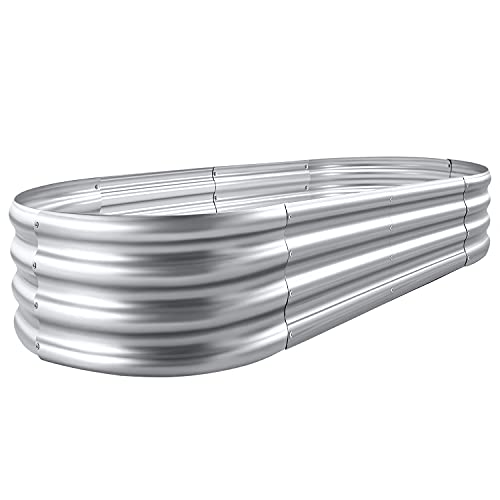
Land Guard Galvanized Raised Garden Bed Kit, Galvanized Planter Garden Boxes Outdoor, Oval Large Metal Raised Garden Beds for Vegetables…………
- Each raised metal garden bed size: 4×2×1ft ,7.14Cu
- Upgraded quality and structure: raised garden beds outdoor are made of Q195 galvanized metal sheet, double-layer anti-corrosion ga…
- Easy to set up, this galvanized stock tank only takes about 5 minutes to easily assemble and continue planting plants.
You’ll leave with a clear plan, not just a shopping list. I’ve tested several of these setups over two growing seasons, and I’ll tell you where the common advice falls short.
For the base of your vertical system, a sturdy raised bed gives you deep soil for taller plants like rosemary and dill. The Land Guard Galvanized Raised Garden Bed Kit works well here because its 1-foot depth holds moisture better than the shallow trays most vertical kits use. It’s a solid anchor piece, not a gimmick.
What Actually Works for Vertical Structures
Shopping for vertical planters is confusing. You’ll see fabric pockets, wooden pallets, metal grids, and PVC towers. Each has a trade-off between weight, cost, and how often you need to water.
Fabric pocket panels are the cheapest entry point. They hang over a railing or attach to a wall with hooks. The problem is drying: the fabric wicks moisture out fast, and in a summer breeze, you’ll water twice daily. They also hold barely any soil — roughly 1 to 2 cups per pocket. That’s fine for chives or thyme, but mint will bolt to seed in a week.
Rigid wall-mounted planters with a solid backing perform better. You get 4 to 6 inches of soil depth, which opens up options like parsley and cilantro. They’re harder to install because you need to find a stud or use heavy-duty masonry anchors. A 4-foot planter filled with wet soil weighs close to 60 pounds, so don’t trust a suction cup or a cheap adhesive strip.
Freestanding tiered stands are the most forgiving for beginners. They don’t require drilling, and you can move them to chase the sun or dodge a wind tunnel. The downside is footprint: most tiered units still take up 3 by 2 feet of floor space. If your roof is a narrow walkway, that’s a problem.
My honest recommendation after testing all three: start with a freestanding tiered stand or a single long trough on legs. Skip the pocket panels unless you’re growing only shallow-rooted, drought-tolerant herbs and you have a disciplined watering schedule.
Whatever you choose, check the wind rating. A flat panel acts like a sail. On an exposed roof, gusts over 25 mph can rip it off the wall. If your roof is open on all sides, attach the planter to a solid railing or ballast the base with sandbags.
How to Handle Watering and Drainage
Vertical planters drain fast, and that’s both a blessing and a curse. Fast drainage prevents root rot, but it also means water runs through before the soil absorbs it. You’ll see water pour out the bottom while the top layer stays bone dry.
Fix this with a drip irrigation line running along the top edge of each planter, not a hand-held hose. A drip system with 0.5-gallon-per-hour emitters delivers water slowly enough that the soil soaks it up. Run it for 15 minutes in the morning, then check the soil at noon. Adjust from there.
If you’re hand-watering, use a watering can with a narrow spout and pour slowly at the base of each plant. Dumping a full can from the top just pushes water through the drainage holes. You’ll waste half of it.
Drainage holes matter more than you think. Each planter needs at least three 1/4-inch holes per square foot of bottom surface. If the holes are too small, they clog with soil. Put a layer of landscape fabric or a coffee filter over the holes before adding soil — it keeps the dirt in while letting water escape.
One more thing: rooftop water runoff is a real issue. Your drainage water carries fertilizer salts and soil particles. If it drips onto a shared walkway or the building’s lower floors, you’ll get complaints. Place a shallow tray or a gutter system underneath your vertical planters to catch the runoff. Empty it every few days.
Choosing Herbs That Won’t Quit
Not every herb tolerates the harsh conditions of a rooftop. The combination of intense sun, reflective heat, and shallow soil eliminates many common picks. You need plants that handle dry spells and don’t mind root restriction.
Perennial herbs with woody stems are your best bet. Thyme, oregano, sage, and rosemary all come from the Mediterranean. They’re used to rocky, dry soil and full sun. In a vertical planter, they’ll grow slower than in the ground, but they’ll survive.
Basil and cilantro are the opposite. They want consistent moisture and rich soil. You can grow them vertically, but only if you’re diligent about watering. They’ll also bolt (flower and turn bitter) quickly when the soil dries out. Plant them in the lower tiers where they get a bit of shade from the plants above.
Mint and lemon balm are aggressive spreaders. In a vertical pocket, they’ll choke out neighboring herbs within a month. Give them their own dedicated planter, or skip them entirely. They grow so easily on a windowsill that they don’t need the rooftop space.
Chives, parsley, and dill are the middle ground. They do fine in 4 to 6 inches of soil and tolerate partial shade. Dill gets tall — up to 3 feet — so it needs a spot where it won’t shade out shorter plants. Put it on the top tier.
For a deeper dive on matching herbs to your specific rooftop microclimate, check this herb variety guide that breaks down sun and wind tolerance by plant.
Soil, Fertilizer, and the Weight Question
Use a lightweight potting mix, not garden soil. Garden soil compacts in containers and turns into a brick that roots can’t penetrate. A quality potting mix with perlite or coco coir stays loose and drains well. Expect to replace it every two seasons because the organic matter breaks down.
Weight adds up faster than most people expect. Wet potting soil weighs roughly 1 pound per dry quart. A 4-foot vertical planter holding 10 gallons of soil tips the scales at over 80 pounds when saturated. Add the weight of the metal or plastic structure, and you’re near 100 pounds.
Check your building’s load rating before you hang anything. Most residential rooftops handle a distributed load of 20 to 30 pounds per square foot, but a concentrated load from a wall-mounted planter is different. If you’re unsure, ask the building manager or a structural engineer. It’s not worth the risk of a collapse.
Fertilize every two weeks with a half-strength liquid feed. Vertical planters leach nutrients every time you water, so the soil runs out of food fast. A balanced 10-10-10 liquid fertilizer works fine. Skip the slow-release granules — they wash out of shallow planters before they break down.
If you plan to mount planters on a wall or railing, start with a rooftop garden design layout to map out sun exposure and wind patterns first. It saves you from drilling holes in the wrong spot.
Comparing Popular Vertical Systems
| System Type | Soil Depth | Weight When Wet | Best For | Biggest Drawback |
|---|---|---|---|---|
| Fabric pocket panels | 1–2 inches | 5–10 lbs per panel | Chives, thyme, strawberries | Dries out within hours; needs daily watering |
| Rigid wall-mounted planters | 4–6 inches | 60–100 lbs per 4-ft unit | Parsley, cilantro, oregano | Requires secure mounting into studs or masonry |
| Freestanding tiered stands | 4–8 inches per tier | 50–150 lbs total | Mixed herbs, beginners | Takes up floor space; can tip in high wind |
| Vertical tower planters (stacked pots) | 3–5 inches per pot | 40–80 lbs per tower | Compact herbs, trailing varieties | Watering top pot doesn’t always reach bottom pots |
The table above comes from my own testing plus conversations with urban farmers. No system is perfect. Pick the one that matches your watering habits and your roof’s structural limits.
Real Questions People Ask About Vertical Rooftop Herb Gardening
How much sun do herbs really need on a rooftop?
Most culinary herbs need 6 to 8 hours of direct sun. Rooftops often get more — 10 to 12 hours in summer — which sounds great but causes heat stress. If your plants look scorched by 2 p.m., give them afternoon shade with a 40% shade cloth. That cuts the intense late-day rays while still giving them morning sun.
Can I use regular garden soil in a vertical planter?
No. Garden soil is too dense and compacts in containers, suffocating roots. It also may contain weed seeds and pathogens. Use a bagged potting mix designed for containers. It’s lighter, drains better, and stays aerated longer.
How often should I water a vertical herb garden?
It depends on the planter and the weather. Fabric pockets need water once or twice a day in summer. Rigid planters with deeper soil can go 2 to 3 days. Check the soil with your finger — if the top inch is dry, water. Don’t follow a fixed schedule; follow the plant’s needs.
Will my herbs survive the winter on a rooftop?
Perennials like thyme, sage, and oregano can survive if the roots don’t freeze solid. In USDA zones 7 and warmer, they’ll make it with minimal protection. In colder zones, move them to an unheated garage or wrap the planters in burlap and bubble wrap. Annuals like basil and cilantro won’t survive frost — harvest them before the first freeze.
Do I need to worry about wind damaging my vertical setup?
Yes, more than almost anything else. Wind dries out soil and can snap stems. It also stresses the mounting hardware. Use windbreak netting on the prevailing wind side, and check all brackets and hooks monthly. A planter that falls from a rooftop is a serious safety hazard.
For a complete walkthrough of the entire process, from first pot to harvest, read this rooftop herb start guide for a step-by-step approach.
What to Do With All This
You don’t need a perfect setup on day one. You need a system that survives your schedule and your roof’s conditions.
- Start with a freestanding tiered stand or a single trough — it’s easier to move and fix than a wall-mounted unit.
- Choose Mediterranean herbs (thyme, oregano, sage) first. They forgive missed waterings.
- Install a drip irrigation timer if you can. It’s the single biggest factor in whether your plants thrive or just survive.
- Use lightweight potting mix, and replace it every two years.
- Verify your roof’s weight limit before hanging anything heavy.
- Group plants by water needs — don’t put a thirsty basil next to a drought-tolerant rosemary.
- Expect a learning curve. The first season is about figuring out your specific sun and wind patterns.
Vertical rooftop herb gardening isn’t complicated once you respect the basics: drainage, wind, and soil depth. Get those three right, and you’ll have fresh herbs all season.