Introduction
Imagine stepping into a garden where every element harmonizes in a single color palette. Monochromatic garden design captivates with its simplicity and elegance. This approach allows you to focus on the interplay of textures, shapes, and sizes, creating a visually cohesive space. It’s not just about planting the same color; it’s about celebrating the variations within that hue.
This article will guide you through the essentials of monochromatic garden design. You’ll learn how to select plants, arrange them effectively, and enhance your garden’s appeal through thoughtful design choices. Whether you’re a novice gardener or a seasoned pro, these insights will help elevate your outdoor space.

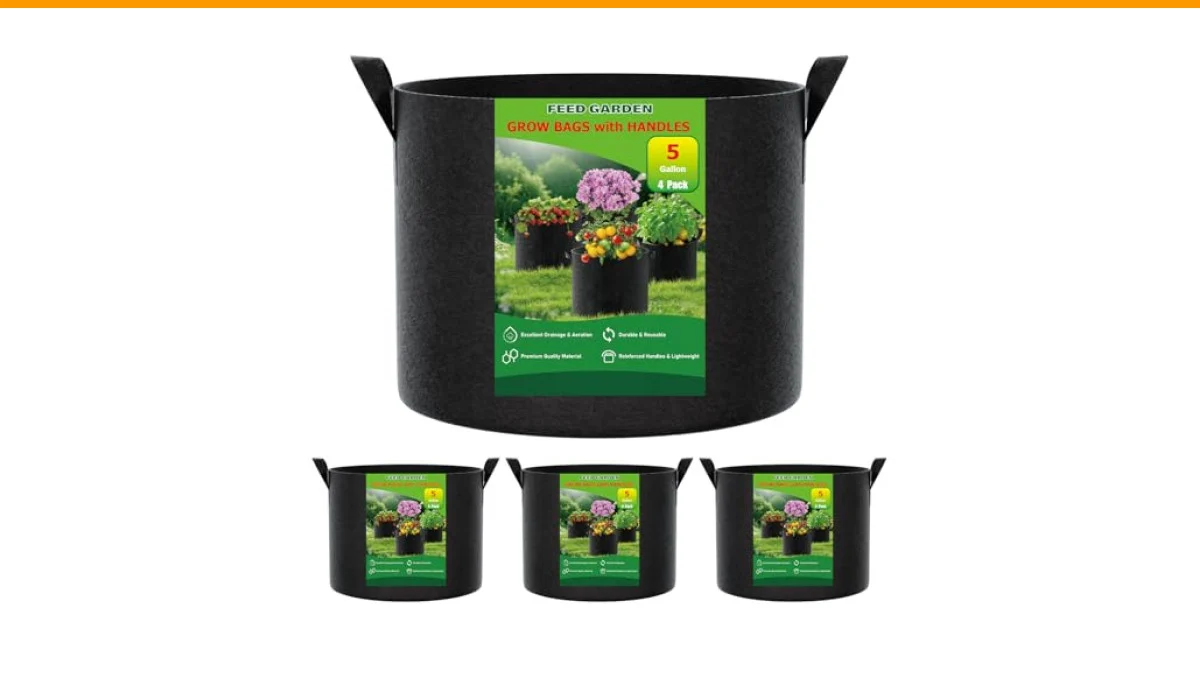
FEED GARDEN
FEED GARDEN 5 Gallon Grow Bags 4 Pack 300G Thickened Non-Woven Fabric Pots | Double-Stitched Handles, Foldable Breathable Drainage Planters for Herbs, Lettuce, Strawberries & Flowers, Indoor Outdoor
- 300G THICKENED FABRIC, BUILT FOR MULTIPLE SEASONS — 300 g/m² non-woven fabric (vs. 200 g/m² or thinner on entry-level bags), so th…
- AIR-PRUNED ROOTS, NO ROOT ROT — Water drains through the whole fabric wall instead of pooling at one drainage hole, and air reache…
- DOUBLE-STITCHED HANDLES THAT DON'T RIP — Two woven webbing straps are sewn to the bag wall with a double-stitched box-X reinforcem…
For practical planting solutions, consider using FEED GARDEN 5 Gallon Grow Bags. These durable, breathable fabric pots are perfect for growing herbs, strawberries, and flowers, making them an ideal choice for your monochromatic garden.
Choosing Your Color Palette
The first step in creating a monochromatic garden is selecting your color palette. Here are some tips:
- Consider Environment: Assess the sunlight and soil conditions. Some colors, like vibrant reds and yellows, can be overpowering in full sun, while softer shades may get washed out.
- Plant Groupings: Choose plants that bloom in various shades of your selected color. For example, if you choose purple, consider lavender, alliums, and eggplant.
- Texture Variety: Incorporate a mix of leaf shapes and sizes. This adds depth to your design. Combine broad leaves with fine foliage for visual interest.
Plant Selection and Arrangement
When selecting plants for your monochromatic garden, focus on the following:
- Color Variations: Choose plants that feature different shades of your chosen color. For example, if you opt for blue, include hydrangeas, bluebells, and various ornamental grasses.
- Bloom Times: Plan for staggered bloom times to maintain visual interest throughout the seasons.
- Height and Structure: Arrange taller plants at the back and shorter ones in front to create layers. Use ground covers to fill gaps and provide a lush appearance.
Pro tip: Use a color wheel to help you visualize how different shades will work together. This tool can be invaluable for ensuring a harmonious look.
Here’s a brief overview of popular plant choices for a monochromatic garden:
| Color | Plants | Blooming Season |
|---|---|---|
| Blue | Hydrangea, Bluebell, Aconitum | Spring to Summer |
| White | Lily, White Phlox, Snowdrop | Spring to Fall |
| Red | Red Roses, Poppies, Red Salvia | Summer |
| Yellow | Daylily, Coreopsis, Sunflower | Summer to Fall |
Design Techniques to Enhance Monochromatic Gardens
Effective design techniques can accentuate the beauty of your monochromatic garden:
- Pathways: Create paths using gravel or pavers that contrast with your plants. A simple design can help focus attention on the greenery.
- Focal Points: Add sculptures or water features in a color that complements your palette. This can create a visual anchor.
- Seating Areas: Incorporate furniture that matches or contrasts with your color scheme. Comfortable seating invites you to enjoy your garden.
Consider planting your color theme in clusters rather than scattering plants throughout the garden. Grouping similar plants together creates a more impactful and cohesive look.
Frequently Asked Questions
What is a monochromatic garden design?
A monochromatic garden design focuses on a single color and its variations, creating a harmonious and visually striking outdoor space.
How do I choose the right color for my garden?
Consider your home’s color, the surrounding environment, and your personal preferences. Aim for colors that resonate with you and fit well in your landscape.
Can I mix different shades in a monochromatic garden?
Yes, mixing different shades of the same color adds depth and interest. For example, you can combine light and dark blues for a richer effect.
How do I maintain a monochromatic garden?
Regular maintenance is key. Ensure plants are well-watered, deadhead flowers to encourage more blooms, and keep an eye out for pests.
Are there any limitations to monochromatic garden design?
One limitation is that it can sometimes feel flat if not executed well. Incorporate texture and structure to avoid a monotonous appearance.
Closing Thoughts
- Choose a color palette that resonates with your style.
- Incorporate a variety of plant heights and textures.
- Utilize contrasting materials for pathways and features.
- Plan for year-round interest with staggered blooming times.
- Consider practical planting solutions like fabric grow bags.
- Group plants in clusters for a more dynamic look.
- Regular maintenance is crucial for a thriving garden.