Loppers vs Pruning Shears: When to Use Each Tool
Contents
Gardening often involves trimming and shaping plants, but knowing which tool to use can be confusing. You might be standing in your garden, contemplating whether to reach for your loppers or pruning shears. Each tool has its own strengths and is suited for specific tasks. Understanding the distinctions can enhance your gardening experience and promote healthy plant growth.
This article will guide you through the key differences between loppers and pruning shears. You’ll learn when to use each tool effectively, ensuring you make the right choice for your gardening tasks.

Craft911
2-Pack Stainless Steel Gardening Scissors, Pruning Shears and Clippers for Gardening
- DUAL CUTTING POWER: VERSATILE PRUNING COMBO --- With both Pruning Shears and Pruning Snip, this combo delivers unmatched versatili…
- ULTRA SHARP --- Much less effort to cut branches with our combo pack. Our pruning shears are crafted from premium Stainless Steel,…
- RUST PROOF STAINLESS STEEL GARDENING SHEARS --- Our branch cutter tree pruner combo is built to last.
If you’re in the market for reliable gardening tools, consider the 2-Pack Stainless Steel Gardening Scissors, Pruning Shears and Clippers for Gardening by Craft911. This versatile combo includes both pruning shears and a pruning snip, making it a great addition to your gardening toolkit.

Understanding Loppers
Loppers are designed for cutting thicker branches and stems, generally in the range of 1 to 2 inches in diameter. They feature long handles that provide increased leverage, allowing you to apply more force with less effort. Typically, loppers have a bypass or anvil cutting action, which is ideal for making clean cuts on live plants.
Long handles can range from 18 to 36 inches, making it easier to reach higher branches without the need for a ladder. For example, if you’re pruning a tree where branches are out of reach, loppers are the tool you want. Their design minimizes strain on your hands and wrists, making them favorable for extended use.
Understanding Pruning Shears
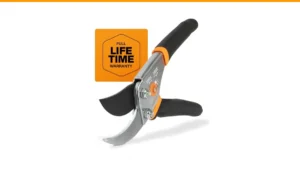
Pruning shears, often referred to as hand pruners, are best for smaller, more delicate tasks. They are suitable for cutting stems, branches, and flowers, typically up to ½ inch in diameter. Their compact size makes them easy to maneuver, which is particularly advantageous for tasks like deadheading flowers or shaping small shrubs.
Pruning shears come in two main types: bypass and anvil. Bypass shears have two blades that slide past each other, making them ideal for live plant material. Anvil shears, on the other hand, have a single blade that cuts against a flat surface, which is better for dead or dry wood. For instance, if you need to trim back a rose bush, bypass pruning shears are the best option for a clean cut.
When to Use Each Tool
Choosing between loppers and pruning shears depends on the task at hand. Here are some guidelines to help you decide:
- Loppers: Use for thicker branches (1-2 inches in diameter).
- Pruning Shears: Use for smaller branches and stems (up to ½ inch).
- Height and Reach: Loppers are better for high branches, while shears are ideal for close-up work.
- Type of Cut: Choose bypass shears for live plants and anvil shears for dead wood.
Comparison Table: Loppers vs Pruning Shears
| Feature | Loppers | Pruning Shears |
|---|---|---|
| Typical Use | Thicker branches (1-2 inches) | Smaller branches (up to ½ inch) |
| Handle Length | 18-36 inches | Short (handheld) |
| Cutting Action | Bypass or anvil | Bypass or anvil |
| Best For | Reaching high branches | Detail work and shaping |
| Comfort Level | Less strain due to leverage | Easy to handle for precision |
What are loppers used for?
Loppers are primarily used for cutting thicker branches and stems that are too large for pruning shears. They excel in tasks like shaping trees and shrubs, especially when you need to create larger cuts.
When should I use pruning shears instead of loppers?
Use pruning shears for smaller, more delicate pruning tasks, such as deadheading flowers or trimming small stems. They offer better precision and control for these types of work.
Can I use loppers for small branches?
While you can use loppers for small branches, it’s not recommended. Their size and weight can make it cumbersome, and pruning shears will provide a cleaner cut.
Are loppers and pruning shears interchangeable?
No, loppers and pruning shears serve different purposes. Loppers are designed for larger cuts, while pruning shears are meant for more precision. Using the right tool for the job will yield better results.
What features should I look for in pruning tools?
When selecting pruning tools, consider features like handle length, material quality, cutting action (bypass vs. anvil), and comfort. A tool with a safety lock, like the ones found in the Craft911 combo, is also beneficial for safe storage.
Final Thoughts
- Understand the size of branches you need to cut.
- Choose loppers for larger, thicker branches.
- Opt for pruning shears for smaller, detailed work.
- Look for tools with comfortable grips to reduce fatigue.
- Consider purchasing a combination tool set for versatility.
- Prioritize safety features for secure storage and handling.
- Visit Gardening Pleasure for more gardening tool insights.