
Lawn Mower Winterization: Step by Step Guide
Contents
Preparing Your Lawn Mower for Winter
As summer fades and the leaves start to fall, many homeowners face the daunting task of preparing their lawn mowers for the winter months. Neglecting this critical maintenance can lead to costly repairs and a frustrating start to the next mowing season. Imagine pulling out your mower in spring, only to find it won’t start due to winter neglect. This guide will walk you through the essential steps for lawn mower winterization step by step, ensuring your equipment stays in prime condition and ready for action.
Winterizing your lawn mower is not just a chore; it’s a vital practice that protects your investment. This article will provide you with a comprehensive approach to winterization, covering everything from fuel management to cleaning procedures. You’ll learn how to preserve your mower’s life and performance, so it fires right up when the grass starts growing again.

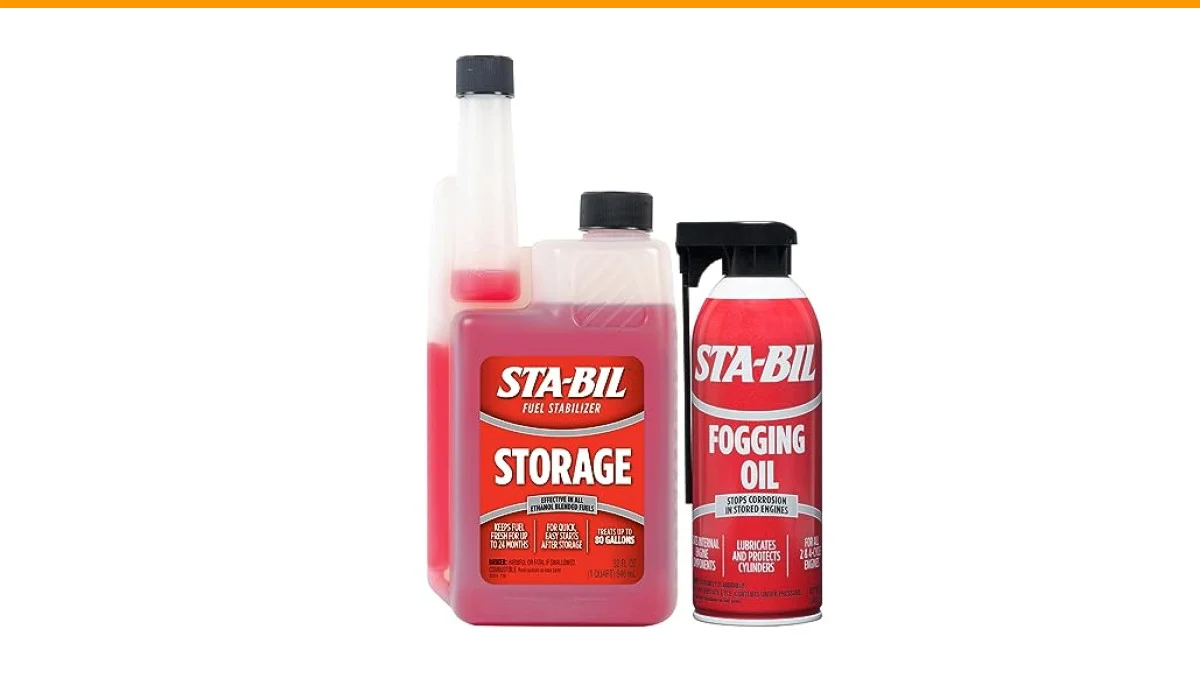
STA-BIL
STA-BIL Fall Storage Basics Storage Fuel Stabilizer (32 Oz) Fogging Oil
- Storage Fuel Stabilizer - Keeps fuel fresh for up to 24 months to prevent corrosion, gum, and varnish buildup that happens during…
- Storage Fuel Stabilizer - Eliminates the need to drain fuel prior to storing your equipment, since it keeps all ethanol and non-et…
- Storage Fuel Stabilizer - Ensures quick, easy starts after storage by keeping your internal engine components free from corrosion…
One key product to consider for your winterization process is the STA-BIL Fall Storage Basics Storage Fuel Stabilizer. This storage fuel stabilizer keeps fuel fresh for up to 24 months, preventing corrosion and varnish buildup in your mower’s fuel system, thus ensuring quick starts when spring arrives.
Step 1: Empty the Fuel Tank or Use a Stabilizer
Fuel can degrade over time, leading to issues with your engine when you try to start it after winter. You have two options here: either drain the fuel tank completely or use a fuel stabilizer. Draining the tank can be tedious, but it ensures that no stale fuel clogs your system.
If you prefer to keep the gas in the tank, adding a fuel stabilizer like STA-BIL is a smart choice. This product not only keeps your fuel fresh but also prevents corrosion within the fuel system. Follow the manufacturer’s instructions for the correct dosage and remember to run the engine for a few minutes to circulate the stabilizer throughout the system.
Step 2: Change the Oil
Dirty oil can lead to engine wear and tear, especially during long periods of inactivity. Before storing your mower, change the oil following these steps:
- Run the mower for a few minutes to warm up the oil, making it easier to drain.
- Turn off the engine and let it cool.
- Locate the oil drain plug and remove it to drain the old oil into a suitable container.
- Replace the oil filter if applicable.
- Fill the engine with fresh oil according to the manufacturer’s specifications.
Using the correct oil type is crucial. Refer to your owner’s manual to find the recommended oil for your mower.
Step 3: Clean the Mower Thoroughly
Debris, grass clippings, and dirt can accumulate during the mowing season, leading to rust and damage. Cleaning your mower is an essential step in winterization:
- Disconnect the spark plug to ensure safety.
- Use a brush and water to scrub the deck, removing all grass clippings and dirt.
- Clean the underside of the mower deck with a putty knife or scraper.
- Dry the mower completely to prevent rust.
Don’t forget to clean the air filter as well. A clean filter ensures proper airflow for your engine, enhancing its performance.
Step 4: Protect the Engine and Components
Fogging oil can be a game-changer for protecting your mower’s internal components. This oil displaces moisture and helps to lubricate the engine:
- Remove the spark plug and spray fogging oil into the cylinder.
- Rotate the engine a few times to distribute the oil evenly.
- Replace the spark plug.
This step is particularly important if you live in a humid area, as moisture can cause significant damage over winter.
Step 5: Store the Mower Properly
Where and how you store your mower can impact its condition. Follow these guidelines for optimal storage:
- Store the mower in a dry, cool place to prevent rust.
- Elevate the mower or place it on a mat to keep it off the cold ground.
- Cover the mower with a breathable tarp to protect it from dust and moisture while allowing airflow.
Consider using a storage rack or shelf to keep your mower off the ground and away from potential water damage.
Comparing Winterization Methods
| Winterization Method | Pros | Cons |
|---|---|---|
| Draining Fuel | Prevents stale fuel issues, reduces risk of corrosion | Time-consuming, requires proper disposal |
| Using Fuel Stabilizer | Easy to apply, keeps fuel fresh for up to 24 months | May not remove existing contaminants |
| Changing Oil | Extends engine life, reduces wear | Requires additional supplies, may be messy |
| Using Fogging Oil | Protects engine components, displaces moisture | Requires additional product purchase |
What happens if I don’t winterize my lawn mower?
Neglecting winterization can lead to severe engine damage, clogged fuel systems, and rust, making it difficult or impossible to start your mower in spring.
How often should I winterize my lawn mower?
Winterization should occur every year before storing your mower for the winter months, regardless of how much you used it.
Can I just leave fuel in my mower over the winter?
Leaving fuel in the mower can lead to issues with starting and engine performance due to stale fuel and potential varnish buildup.
Is it necessary to change the oil before winter storage?
Yes, changing the oil removes contaminants and prevents engine wear during the off-season.
How can I make my lawn mower last longer?
Regular maintenance, including proper winterization, cleaning, and timely servicing, can significantly extend the life of your lawn mower.
Final Thoughts on Lawn Mower Winterization
- Empty or treat the fuel tank with stabilizer.
- Change the oil before storage.
- Clean the mower thoroughly to prevent rust.
- Use fogging oil to protect engine components.
- Store the mower in a dry, cool place.
- Consider using a breathable cover to protect it.
- Regular maintenance will ensure a long-lasting mower.