
Lawn Mower Propulsion Systems Explained
Contents
Imagine it’s a sunny Saturday morning. You step outside, ready to tackle your lawn. But as you approach your mower, you realize you’re not just facing grass but a whole world of propulsion systems that can make or break your mowing experience. Understanding these systems can significantly impact how efficiently you maintain your yard.
This article will provide a comprehensive look at lawn mower propulsion systems, detailing their mechanics, the pros and cons of each type, and practical recommendations for choosing the right mower for your needs. By the end, you’ll be well-equipped to make an informed decision, whether you’re a weekend warrior or a seasoned landscaping professional.

Greenworks
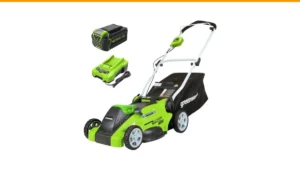
Greenworks 60V 21in Self-Propelled Lawn Mower, (2) 4.0 Ah Battery Kit
- Battery-Powered Lawn Mower - Conquer large yards effortlessly with the 60V brushless motor and two 4.0Ah battery—delivering gas-li…
- Effortless Self-Propelled Control - Effortlessly tackle slopes and thick grass with rear-wheel drive traction. Adjust your pace on…
- Quite, Mainteance-Free - Operate 3x quieter than gas mowers. Instant starts and zero emissions keep peaceful and eco-friendly.
For those seeking an effective battery-powered option, consider the Greenworks 60V 21in Self-Propelled Lawn Mower. With its powerful brushless motor and self-propelled capabilities, it offers a great balance of performance and convenience.

Understanding Lawn Mower Propulsion Systems
Lawn mower propulsion systems are the mechanisms that drive the mower forward. The choice of propulsion system affects not only the ease of use but also the mower’s performance on different terrains. Here, we’ll explore the three primary types of systems: push, self-propelled, and robotic mowers.
Push Mowers
Push mowers require manual effort to move forward. They’re typically lightweight and less expensive, making them popular among homeowners with small to medium-sized lawns.
- Weight: Usually between 40-70 pounds.
- Power Source: Gas or electric.
- Ideal For: Flat surfaces and small yards.
While push mowers offer a good workout, they can be labor-intensive, especially on larger or uneven terrains. If you have a flat yard and enjoy the exercise, a push mower might be a suitable choice.
Self-Propelled Mowers
Self-propelled mowers have an integrated drive system that assists in moving the mower forward. They come with various drive types, including:
- Front-Wheel Drive: Offers better maneuverability on flat terrains but may struggle on inclines.
- Rear-Wheel Drive: Provides better traction and control, especially on slopes.
- All-Wheel Drive: Best for uneven or hilly terrain, offering superior stability.
Self-propelled mowers typically weigh more than push mowers, ranging from 60 to 100 pounds. They’re ideal for anyone needing to cover larger areas with less physical effort. For example, the Greenworks 60V model provides a self-propelled option that adjusts to your walking speed, making it easier to tackle varying conditions.
Robotic Mowers
Robotic mowers are the most advanced option. These automated machines can mow the lawn without human intervention.
- Power Source: Battery-operated, typically with charging stations.
- Ideal For: Busy individuals and those who prefer low-maintenance solutions.
- Limitations: High initial cost and potential challenges with complex landscapes.
While they offer convenience, robotic mowers often require a defined perimeter and can struggle with tall grass or steep hills. They are perfect for homeowners looking for a set-and-forget solution.
Comparison of Lawn Mower Propulsion Systems
| Type | Weight | Power Source | Best For | Average Cost |
|---|---|---|---|---|
| Push Mower | 40-70 lbs | Gas/Electric | Small, flat yards | $150-$300 |
| Self-Propelled Mower | 60-100 lbs | Gas/Electric | Larger, hilly lawns | $300-$700 |
| Robotic Mower | 20-50 lbs | Battery | Busy homeowners | $800-$3000 |
What is the main advantage of self-propelled lawn mowers?
Self-propelled mowers reduce the physical effort required to mow the lawn. They adapt to your walking speed, making them suitable for various terrains, especially when tackling slopes or thick grass.
Are robotic mowers worth the investment?
Robotic mowers can save time and effort, making them ideal for busy homeowners. However, their high initial cost and the need for a defined perimeter can be drawbacks. Evaluate your yard’s layout before investing.
Can you convert a push mower to self-propelled?
While some aftermarket kits allow you to convert a push mower to self-propelled, it’s usually more cost-effective to purchase a new self-propelled mower. Conversion can also be complicated and may void warranties.
What terrain suits push mowers best?
Push mowers perform best on flat, even surfaces. They can handle small yards effectively, but steep inclines or thick grass can make mowing laborious.
How do I choose the right propulsion system?
Consider the size and terrain of your lawn. For small, flat yards, a push mower is sufficient. If you have larger or hilly areas, a self-propelled mower is more efficient. For minimal effort, a robotic mower would be ideal.
Final Thoughts
- Assess your lawn size and terrain before choosing a mower.
- Self-propelled mowers offer a balance of convenience and effort reduction.
- Robotic mowers are great for busy lifestyles but come with a higher price point.
- Push mowers are practical for smaller, flatter lawns.
- Always consider the power source: gas mowers can be more powerful, while electric options are quieter and eco-friendly.
- The Greenworks 60V self-propelled mower is an excellent choice for those looking for battery power and versatility.
- Do your research on different models and features before making a purchase decision.