
Lawn Mower Engine Types Explained
Contents
Many homeowners face the challenge of choosing the right lawn mower for their specific needs. The engine type plays a crucial role in the performance, efficiency, and maintenance of the mower. Whether you’re mowing a small backyard or managing a larger lawn, understanding the different types of lawn mower engines can help you make an informed decision.
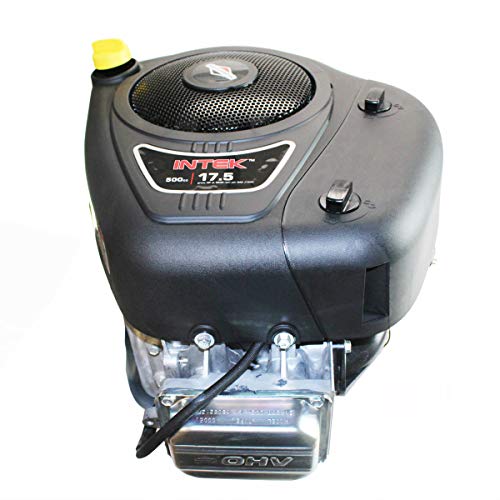
This article will provide a comprehensive overview of the various lawn mower engine types, including their benefits, drawbacks, and ideal applications. You will also learn about a specific product that can serve as a reliable option for your needs: the Briggs and Stratton Vertical 17.5 HP 500cc INTEK Engine. This engine features a cast iron cylinder sleeve, dual element air filter, and a patented linear balancing system, ensuring smooth performance and extended life.
Briggs & Stratton
Briggs and Stratton Vertical 17.5 HP 500cc INTEK Engine 9amp 1" x 3-5/32" #31R977-0054
- Cast iron cylinder sleeve and dual element air filter for extended engine life
- Patented linear balancing system provides smoother performance
- 9 amp/electric start only
Types of Lawn Mower Engines
When it comes to lawn mower engines, there are primarily three types: gas engines, electric engines, and battery-powered engines. Each type has unique characteristics that cater to different mowing needs and preferences.
1. Gas Engines
Gas engines are the most common type found in lawn mowers. They offer powerful performance, making them suitable for large lawns and heavy-duty tasks. Gas engines typically range from 140cc to 800cc, providing a variety of power levels depending on the mower’s size and intended use.
- Pros: Generally more powerful, allowing for efficient cutting of thick grass and weeds.
- Cons: They require more maintenance, including oil changes and spark plug replacements, and they produce emissions.
2. Electric Engines
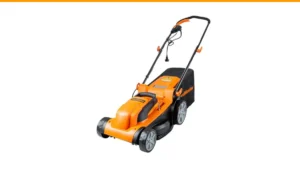
Electric engines are quieter, more environmentally friendly, and easier to maintain compared to gas engines. They are available in corded and cordless models. Corded mowers require access to a power outlet, while cordless mowers run on electricity stored in batteries.
- Pros: Low maintenance, no emissions, and quieter operation.
- Cons: Limited runtime for battery-powered models, and performance can decrease if the battery is low.
3. Battery-Powered Engines
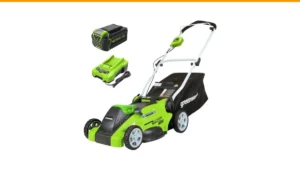
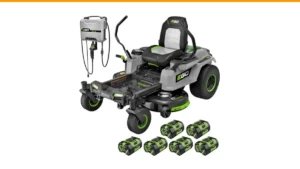
Battery-powered lawn mowers have gained popularity due to advancements in battery technology. They offer the convenience of cordless operation while providing sufficient power for small to medium-sized lawns. Battery life varies by model but typically lasts 30 minutes to an hour before needing a recharge.
- Pros: No emissions, quieter than gas models, and easy to start.
- Cons: Limited runtime and potential for reduced cutting power as battery drains.
Comparative Overview of Lawn Mower Engine Types
| Engine Type | Power Range | Maintenance Requirements | Environmental Impact |
|---|---|---|---|
| Gas Engines | 140cc – 800cc | High (oil, spark plugs) | Higher emissions |
| Electric Engines | Varies (dependent on model) | Low (minimal upkeep) | No emissions |
| Battery-Powered Engines | Varies (dependent on battery) | Low (battery care) | No emissions |
Frequently Asked Questions
What is the best engine type for small lawns?
For small lawns, electric or battery-powered engines are often the best choice. They are easier to handle, lightweight, and require less maintenance compared to gas engines.
How long do gas engines typically last?
With proper maintenance, gas engines can last anywhere from 5 to 10 years. Regular oil changes and care of the air filter can extend engine life.
Are battery-powered mowers powerful enough for thick grass?
Battery-powered mowers can handle moderately thick grass, but they may struggle in very dense or overgrown areas. It’s essential to choose a model with sufficient voltage for your specific mowing needs.
How much maintenance do electric mowers require?
Electric mowers require minimal maintenance. Users should check the blades for sharpness and clean the mower after use, but there’s no need for oil changes or spark plug replacements.
What are the benefits of the Briggs and Stratton Vertical Engine?
This engine is known for its durability due to the cast iron cylinder sleeve and dual element air filter, which protect against debris. Its patented linear balancing system offers smoother operation, making it an excellent choice for riding mowers.
Final Thoughts
- Choose an engine type based on the size of your lawn and your maintenance preferences.
- Gas engines offer power but require more upkeep.
- Electric engines are low maintenance and environmentally friendly.
- Battery-powered mowers provide convenience but may have runtime limitations.
- The Briggs and Stratton engine is a reliable choice for those needing a replacement for riding mowers.
- Always consider the power needs based on grass thickness and terrain.
- Research specific models to find the best fit for your mowing tasks.