
Lawn Mower Altitude Adjustment Tips
Contents
Imagine this: it’s a beautiful Saturday morning, and you’re ready to tackle your lawn, but the grass is taller than expected. You pull out your mower, only to realize it’s not cutting effectively. You might be wondering if your lawn mower’s altitude settings are correct. Adjusting your mower’s height isn’t just about aesthetics; it significantly influences the health of your lawn and the efficiency of your mowing.
This article will provide you with essential tips on adjusting your lawn mower’s altitude, ensuring optimal performance whether you’re managing a small lawn or preparing for a larger project. You’ll understand when and how to make these adjustments, what tools to use, and the best practices for maintaining your mower height throughout the mowing season.
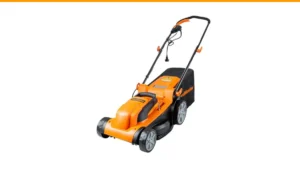
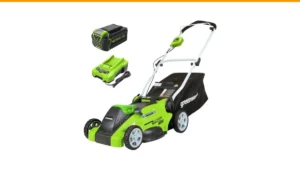
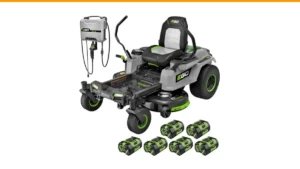
For a seamless mowing experience, consider investing in a reliable lawn mower that offers easy height adjustments. This feature allows you to customize your cutting height according to the season and grass type, enhancing both the look and health of your lawn.
Understanding the Importance of Mower Height Adjustment
Maintaining the right altitude for your lawn mower is crucial for various reasons:
- Grass Health: Cutting grass too short can stress it, making it susceptible to weeds and disease. Ideal heights vary by grass type—typically between 2 to 4 inches.
- Efficient Mowing: Mowing at the correct height helps your mower operate efficiently, reducing strain on the engine and extending its lifespan.
- Aesthetic Appeal: A well-maintained lawn looks inviting and healthy, which can enhance the overall appeal of your property.
Tools Required for Altitude Adjustment
Before you start adjusting your mower’s height, gather the necessary tools:
- Wrench or Socket Set: Required for mowers with a manual height adjustment mechanism.
- Measuring Tape: Use this to measure the current height and ensure accuracy.
- Level Ground: Ensure your mower is on level ground for precise adjustments.
- Owner’s Manual: Always refer to your mower’s manual for specific instructions on height adjustment.
How to Adjust Your Lawn Mower Height
Follow these steps to adjust your mower height effectively:
- Check the Current Height: Measure the height of your grass and determine your desired cutting height.
- Prepare the Mower: Ensure the mower is turned off and properly positioned on level ground.
- Locate the Adjustment Mechanism: This could be a lever, knob, or a series of bolts, depending on the mower type.
- Make Adjustments: Use your wrench or socket set to loosen bolts if necessary and adjust the height to your desired level. For lever systems, simply move the lever to the correct position.
- Double-Check: After adjustment, remeasure the height to ensure accuracy.
- Test the Mower: Run a test mow to see how well the adjustment works.
Comparison of Mower Height Adjustment Methods
| Adjustment Method | Pros | Cons |
|---|---|---|
| Manual Adjustment (Wrench/Sockets) | More precise; stable height | Time-consuming; requires tools |
| Lever Adjustment | Quick; easy to use | Less precise; can wear out |
| Automatic Height Adjustment | Convenient; consistent | More expensive; potential maintenance issues |
Frequently Asked Questions
1. How often should I adjust my mower height?
Adjust your mower height seasonally or when grass growth changes. Regular adjustments ensure optimal cutting and health.
2. What is the best mowing height for different grasses?
Tall fescue: 3-4 inches; Kentucky bluegrass: 2-3 inches; Bermuda grass: 1-2 inches. Research specific needs for your grass type.
3. Can I adjust the height while mowing?
Most mowers require you to stop and adjust height settings. Attempting to adjust while mowing can be dangerous and lead to uneven cuts.
4. What happens if I mow too low?
Mowing too low can stress the grass, leading to brown patches and increased vulnerability to weeds and diseases.
5. How do I maintain my mower after adjusting the height?
Regularly check the blades for sharpness and wear. Clean the mower after each use and keep it stored in a dry place.
Take Action: Essential Tips for Lawn Care
- Measure grass height regularly to determine ideal mower settings.
- Adjust mower height based on seasonal growth patterns.
- Use the appropriate tools for precise adjustments.
- Refer to your mower’s manual for specific instructions.
- Test your mower after adjustments to ensure effective cutting.
- Consider getting a mower with automatic height adjustments for ease.
- Keep your mower maintained for longevity and performance.
For more insights on choosing the right mower for your lawn, check out best lawn mower for a small lawn and best battery lawn mower for small lawn.