
You stand in the garden center aisle, staring at two bags. One says lawn food. The other says fertilizer. The photos on the front look almost identical. The prices are close. Your grass doesn’t care which bag you grab, right?
Wrong. The difference matters more than most people think, and picking the wrong one can leave you with a yard that looks fine in July but thins out by October. This article walks through what each term actually means, how the products differ in practice, and which one belongs in your spreader this season.
You’ll leave knowing exactly what to buy for your grass type, your climate, and the time of year. No guesswork.
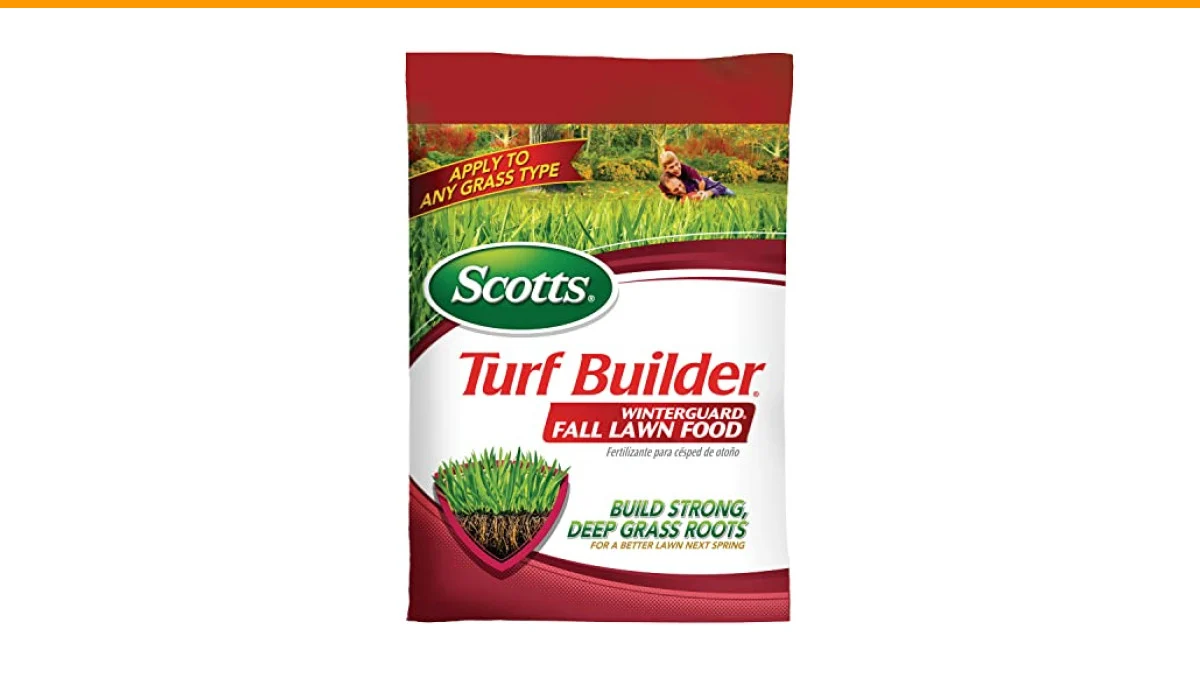
If you’re dealing with late-season grass that got beat up by summer heat, a product like Scotts Turf Builder WinterGuard Fall Lawn Food tackles that specific problem. It feeds the roots through fall so the grass comes back thicker in spring. One 10 lb. bag covers 4,000 sq. ft., and it works on any grass type.
The Short Answer: They’re Not the Same Thing
Lawn food is fertilizer, but not all fertilizer is lawn food. That sounds like a riddle, but it’s just how the industry labels things.
Fertilizer is the broad category. Any product that adds nutrients to soil counts. That includes synthetic granules, organic compost, liquid sprays, and even manure. Fertilizer simply means you’re feeding the soil something it lacks.
Lawn food is a marketing term for a specific kind of fertilizer. It’s a granular or liquid product designed to feed grass directly through the leaves and roots. The nutrients are balanced for turf, not for tomatoes or rose bushes.
Think of it this way: all lawn foods are fertilizers, but a bag of 10-10-10 garden fertilizer is not lawn food. It will grow grass, sure. But it won’t have the right ratio of nitrogen, phosphorus, and potassium that turf needs to stay dense and green.
Most lawn foods contain a higher nitrogen percentage than general-purpose fertilizers. Nitrogen drives leaf growth and that deep green color people want. General fertilizers often hold back on nitrogen because vegetables and flowers don’t need as much of it.
What Each Product Actually Does
Let’s break down the chemistry without putting you to sleep.
Fertilizer labels show three numbers, like 20-0-5. Those represent nitrogen, phosphorus, and potassium. Nitrogen makes grass grow tall and green. Phosphorus builds root systems. Potassium helps grass tolerate stress, cold, and disease.
Lawn food formulas are built around the first number. A typical lawn food runs 20% to 30% nitrogen. That’s why it produces fast, visible greening within a week or two of application.
General fertilizer, the kind you’d use in a vegetable garden, usually sits around 10-10-10 or 5-5-5. Balanced numbers. That works fine for plants that produce fruit, but grass is a leaf crop. You mow it constantly, which removes nitrogen from the system. Grass needs constant nitrogen replacement to keep up.
Lawn food also uses different nitrogen forms. Some release quickly for an immediate green-up. Others use slow-release coatings that feed grass over six to eight weeks. General fertilizer rarely uses those coated granules.
One more difference: weed control. Many lawn foods include pre-emergent herbicides or crabgrass preventers mixed right into the granules. You won’t find that in a standard fertilizer bag. If you buy lawn food with weed prevention built in, you’re getting two products in one pass.
When to Use Lawn Food vs. Regular Fertilizer
Season matters more than the product name.
Spring and fall call for lawn food. Grass grows actively in those seasons, especially cool-season varieties like fescue and Kentucky bluegrass. The high nitrogen content pushes dense growth that crowds out weeds.
Summer is trickier. Hot weather stresses grass. High-nitrogen lawn food in July can burn the blades or force growth that requires more water than you want to give it. Many lawn experts recommend switching to a balanced fertilizer or skipping feeding entirely during peak heat.
Your soil test changes the answer too. Grass growing in rich, composted soil might only need nitrogen. In that case, a pure nitrogen lawn food beats a balanced fertilizer every time. But if your soil test shows low phosphorus, you need a fertilizer that includes it. Most lawn foods skip phosphorus because it’s already plentiful in many soils.
Here’s a scenario: you overseeded a bare patch in September. New grass seedlings need phosphorus to establish roots. A standard lawn food with 0% phosphorus won’t help much. You’d reach for a starter fertilizer with a middle number above zero, like 20-27-5. That’s a case where general fertilizer outperforms lawn food.
Comparing Your Options on the Shelf
To make the choice concrete, here’s how common products stack up against each other.
| Product Type | Typical N-P-K Ratio | Best Season | Primary Job | Weed Control Included? |
|---|---|---|---|---|
| Lawn food (e.g., Scotts Turf Builder) | 24-0-5 or similar | Spring, Fall | Fast greening, root growth | Sometimes |
| General-purpose fertilizer | 10-10-10 balanced | Any | Feeding gardens, shrubs, flowers | No |
| Starter fertilizer | 20-27-5 high phosphorus | Spring, Fall | New grass, overseeding | No |
| Organic lawn food | Slow-release, low numbers | Spring, Summer | Soil health, gradual feeding | No |
| Weed-and-feed lawn food | Varies, has herbicide | Spring | Feeding plus dandelion control | Yes |
Notice the nitrogen range. Lawn foods sit at the top. That’s the whole point. They’re engineered for grass that gets mowed every week.
One honest caveat: the numbers on the bag don’t tell you everything. The nitrogen source matters. A cheap lawn food might use fast-release urea that greens the lawn in three days but fades by week two. A quality product uses a blend of quick and slow-release nitrogen, so you get an initial pop plus steady feeding for a month or more. Read the label for the phrase slow-release or check if it lists polymer-coated granules.
Does the Brand Matter?
You can buy generic lawn food for half the price of a name brand. Does it work? Sort of.
Generic fertilizers contain the same basic chemicals. Nitrogen is nitrogen. The difference shows up in the coating technology and the consistency of the granules. Cheap products often clump in the spreader or release unevenly, leaving stripes of dark green and pale yellow across your yard.
Brand-name products like Scotts spend money on granule uniformity. Each pellet is coated to release at a predictable rate. You get even coverage with fewer stripes. That’s worth something if you care about how the lawn looks from the street.
That said, don’t assume expensive means better. Read the guaranteed analysis on the back. A local co-op brand with 24-0-5 and slow-release nitrogen will perform nearly identically to the big names. The key is matching the ratio to your soil needs, not the logo on the bag.
If you want to compare specific products for your region, check a lawn fertilizer guide that breaks down options by grass type and climate. For warm-season lawns in the South, the nutrient timing shifts, so a southern lawn fertilizer approach makes more sense than a generic national schedule.
How to Read a Bag Like You Know What You’re Doing
Flip the bag over. Ignore the front. Look at the guaranteed analysis panel.
You’ll see the N-P-K ratio. Match it to your season and soil test. Then look at the nitrogen source. The label breaks nitrogen into three categories: ammoniacal, nitrate, and water-insoluble. Water-insoluble nitrogen is the slow-release stuff. You want at least 30% of the total nitrogen to be water-insoluble if you’re feeding once and expecting it to last.
Check the application rate. Most lawn foods call for 1 lb. of nitrogen per 1,000 sq. ft. per application. Do the math. If your bag is 24-0-5 and weighs 10 lbs., that’s 2.4 lbs. of actual nitrogen. If it covers 4,000 sq. ft., you’re applying 0.6 lbs. per 1,000 sq. ft. That’s a light feeding. You may need two passes six weeks apart.
Look for iron. Many lawn foods add iron for extra greening without pushing excessive leaf growth. Iron doesn’t show up in the N-P-K ratio but appears in the secondary nutrients. It’s a nice bonus if your soil is alkaline.
Skip anything with phosphorus if you live near a waterway. Phosphorus runoff feeds algae blooms. Many states restrict its use anyway. Lawns in established soil rarely need it.
Common Questions People Ask
Can I use regular fertilizer on my lawn?
Yes, but you’ll get mediocre results. A balanced 10-10-10 fertilizer provides equal parts of everything. Grass needs heavy nitrogen and very little phosphorus. Using balanced fertilizer means you’re paying for phosphorus your lawn doesn’t use, and you’re underfeeding nitrogen. Your grass will grow slower and look lighter green than it would with proper lawn food.
What happens if I use lawn food on my vegetable garden?
You’ll grow spectacular leaves and disappointing vegetables. The high nitrogen pushes leafy growth, which is great for spinach or lettuce. But tomatoes, peppers, and squash need more phosphorus and potassium to set fruit. Using lawn food on a vegetable garden can delay flowering and reduce yields. Keep the bags separate.
How often should I apply lawn food?
Most lawns need feeding two to four times per year. Cool-season grass gets fed in early spring and again in fall. Warm-season grass gets fed in late spring and summer. Applying more often than that risks nitrogen burn and excessive growth that requires extra mowing. Follow the bag rate and don’t double up just because the grass looks hungry.
Is organic lawn food better than synthetic?
Organic feeds the soil biology along with the grass. It releases nutrients slowly and won’t burn the lawn. The trade-off is speed. Organic products take weeks to show visible results, while synthetic lawn food greens up in days. Many homeowners use synthetic for a quick fix in spring and organic for maintenance feeding in summer. Both work. The choice depends on your schedule and patience.
Does lawn food expire?
Granular fertilizer doesn’t really go bad, but it can absorb moisture and turn into a solid brick. If the bag stays sealed and dry, it will work years later. Liquid fertilizer can separate or grow algae, so use it within a year. Store any open bag in a dry spot, off the concrete floor, and it will last until you need it.
What to Actually Do This Weekend
Before you buy anything, test your soil. A basic pH and nutrient test costs less than a bag of fertilizer and tells you exactly what you need. Guessing wastes money and can harm the lawn.
Once you know your numbers, match the product to the season. Fall is for root building, so look for a lawn food with higher potassium to harden off the grass for winter. Spring is for greening, so prioritize nitrogen.
Use a drop spreader for precise application. Broadcast spreaders throw granules unevenly, especially on windy days. Overlap your passes by half the spreader width to avoid stripes.
Water after applying. Granules sitting on dry grass blades can burn the tips. Watering moves the nutrients down to the soil where roots can reach them. If rain is forecast within 24 hours, let it do the work.
Don’t bag your clippings after feeding. The clippings recycle nitrogen back into the soil, extending the effect of your application. Leave them on the lawn unless they’re so thick they smother the grass.
Keep a log of what you applied and when. Next year, you’ll know exactly what worked and what didn’t. That record beats any advice from the internet, including this article.
For more guidance on picking the right product for your budget and yard size, browse this list of affordable lawn fertilizer options that won’t break the bank.
And if your lawn is large enough that feeding it by hand sounds miserable, consider whether a riding mower is worth the investment. A good mower keeps the grass at the right height, which reduces how much fertilizer you need in the first place.

