
You carried the potted basil up three flights of stairs, placed it in the sunniest corner of your rooftop, and watched it turn brown within a week. Sound familiar? Rooftop gardening looks simple from the ground. Up there, the wind whips harder, the sun bakes longer, and the soil dries out faster than any windowsill could prepare you for.
This guide covers what actually works when you grow herbs on rooftops. You will learn about container selection, wind protection, watering schedules, and soil mixes. No vague advice here. You get numbers, conditions, and examples you can apply this weekend.

PLANTMEW
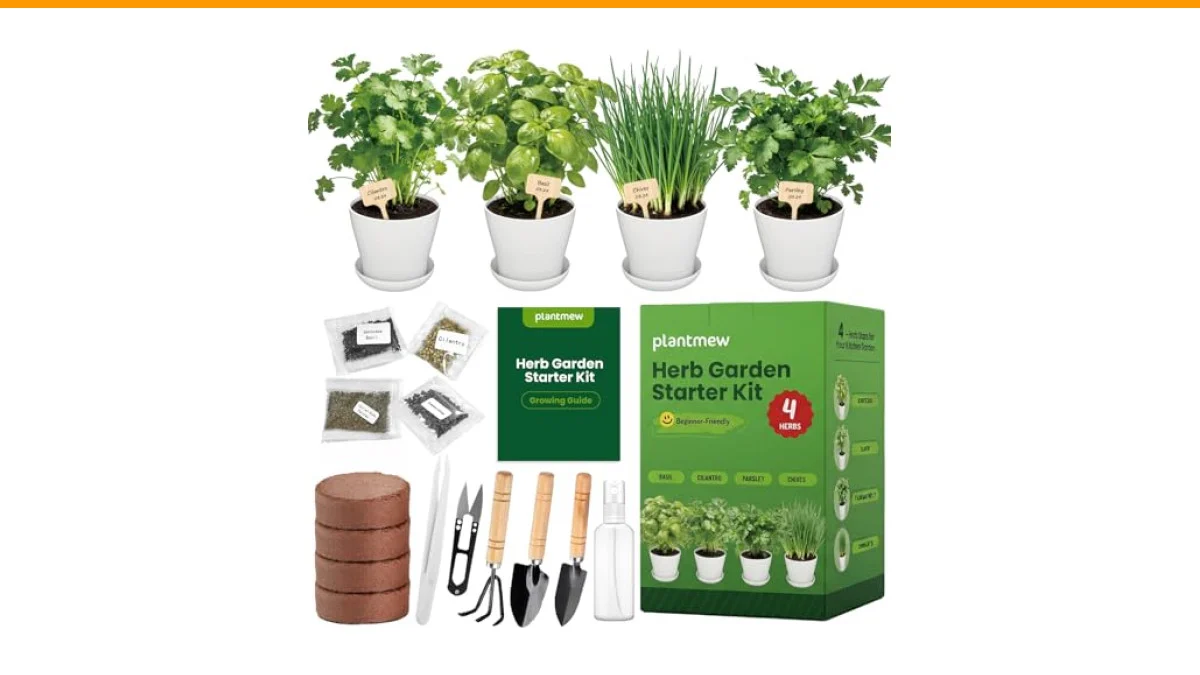
PLANTMEW Indoor Herb Garden Starter Kit - Mothers Day Gifts - 4 Non GMO, Heirloom Culinary Herb Seeds, Unique Gardening Gift for Women, Mom, Her, Birthday, Housewarming, Plant Lovers
- Complete All-In-One Kit - No need to buy separate supplies. This herb starter set comes with 4 plastic planter pots, 4 soil discs,…
- NON-GMO, Heirloom Varieties - Carefully selected culinary herb collection includes Cilantro, Genovese Basil, Common Chives, and It…
- Premium Quality - Each herb seed packet is sourced from the latest growing season to ensure maximum viability. Enjoy a bountiful h…
If you are starting from scratch, a kit like the PLANTMEW Indoor Herb Garden Starter Kit solves the early logistics. It delivers four pots, soil discs, markers, and seeds for cilantro, basil, chives, and parsley. You still need to handle the rooftop environment, but you skip the trip to three different stores.
Myth: Any Container Works as Long as It Has Drainage
People assume a plastic pot with holes in the bottom is fine. On a rooftop, that pot acts like a frying pan. Dark plastic absorbs heat, the roots cook by mid-afternoon, and the soil dries out before dinner.
Choose containers with a minimum volume of 5 gallons for perennial herbs like rosemary and thyme. Annuals such as basil and cilantro manage in 3-gallon pots, but they need more frequent watering. Double-wall planters or light-colored ceramic pots keep root temperatures down by 10 to 15 degrees compared to black plastic.
Another overlooked factor is pot weight. A 3-gallon container filled with moist soil weighs roughly 25 pounds. Multiply that by twenty plants, and you are looking at half a ton. Check your roof’s load capacity with a structural engineer before you build a full garden. Most residential roofs handle it, but older buildings might not.
Drainage matters, but so does water retention. Add a layer of coconut coir or compost to the potting mix. It holds moisture without waterlogging the roots. A mix of 60% quality potting soil, 30% compost, and 10% perlite works well for most rooftop herbs.
Wind Is Your Real Enemy, Not the Sun
Most people worry about heat. Wind kills more rooftop herbs than heat does. It tears leaves, dries soil at double speed, and physically snaps young stems.
Measure the wind speed on your roof before planting. A simple handheld anemometer costs about twenty dollars. If gusts regularly exceed 15 mph, you need a barrier. A solid fence creates turbulence on the leeward side. A semi-permeable barrier, like a lattice or a row of tall grasses, slows wind without creating swirling eddies.
Position tall plants on the windward side to shield shorter herbs. A row of potted cherry tomatoes or a trellis of beans cuts wind speed by half for the plants behind it. You can also use a simple windbreak cloth attached to a frame. It is not beautiful, but it works.
Staking individual plants helps too. Basil and parsley develop weak stems in constant wind. A bamboo stake and a soft tie keep them upright. Do this at planting time, not after the stem bends.
Watering Schedules Are Different Up There
Rooftop soil dries out two to three times faster than ground soil. A pot that stays moist for three days on a balcony might need water every morning on an exposed roof. The combination of wind and direct sun pulls moisture from both the soil surface and the leaves.
Check soil moisture daily during the first week. Stick your finger two inches into the soil. If it feels dry, water deeply until water runs from the drainage holes. Shallow watering encourages shallow roots, which make plants more vulnerable to heat stress.
Drip irrigation with a timer is worth the setup cost. A simple kit with a battery-powered timer and four to six emitters runs about forty dollars. It delivers water slowly to the root zone, reducing runoff and evaporation. You still need to check the system weekly, but it removes the daily chore.
Group pots close together. They shade each other and create a microclimate that retains humidity. This single trick reduces watering frequency by up to 30 percent. Place the pots so they touch or leave only a few inches between them.
Myth: All Herbs Need Full Sun All Day
Seed packets say “full sun,” and people interpret that as eight hours of direct, scorching light. On a rooftop, full sun often means ten or more hours of intense exposure. Mediterranean herbs like rosemary, thyme, and oregano tolerate it. Tender-leaf herbs like cilantro, parsley, and mint do not.
Cilantro bolts to seed within days when temperatures exceed 80 degrees Fahrenheit. Basil grows bitter and tough with too much heat. These plants prefer morning sun and afternoon shade.
Use a shade cloth rated at 30 to 40 percent during the hottest part of the day. Place it over the tender herbs from noon to 4 PM. You can build a simple PVC frame or drape the cloth over a tomato cage. The difference in leaf quality is noticeable within a week.
Alternatively, position pots so that taller plants cast afternoon shade over shorter ones. A potted pepper plant or a small shrub provides natural shade. This requires no extra equipment and looks better than a cloth structure.
For a full breakdown of which herbs thrive together in containers, check this rooftop herb pairing guide.
Container and Soil Comparison
Not all pots perform equally in rooftop conditions. Here is a comparison based on real-world performance, not marketing claims.
| Container Type | Best For | Weight When Full | Heat Retention | Durability | Cost Range |
|---|---|---|---|---|---|
| Terracotta | Thyme, oregano, sage | Heavy | Low (breathable) | Brittle, cracks in frost | Moderate |
| Plastic (dark) | Budget-friendly annuals | Light | High (cooks roots) | Good, UV degrades over time | Low |
| Plastic (light/white) | Basil, cilantro, parsley | Light | Low | Good | Low |
| Fabric grow bags | Most herbs | Light | Low (air-prunes roots) | Fair, 2-3 seasons | Low |
| Double-wall (resin/ceramic) | Perennials, larger plants | Moderate | Very low | Excellent | High |
| Galvanized metal | Rosemary, lavender | Moderate | High (needs insulation) | Excellent | Moderate |
Fabric grow bags are the best value for most rooftop setups. They stay cooler than plastic, drain well, and cost less than ceramic. The trade-off is that they dry out faster on the sides. Line the inside with a sheet of plastic with small holes if you struggle with daily watering.
If you are growing from seed directly on the roof, start them in a sheltered spot. Read this seed starting guide for rooftop gardens for timing and techniques that prevent leggy, weak seedlings.
Protecting Herbs From Extreme Temperature Swings
Rooftops swing between temperature extremes more than ground level gardens. On a spring day, the surface temperature can hit 100 degrees by noon and drop to 40 degrees by midnight. This fluctuation stresses plants and slows growth.
Mulch the soil surface with a 1 to 2 inch layer of straw or shredded bark. This insulates the roots and reduces soil temperature swings by half. It also cuts evaporation, meaning less frequent watering.
For cold nights, keep a frost cloth or old bedsheet nearby. Cover the plants in the evening and remove it in the morning. This adds 5 to 10 degrees of protection. Do not use plastic sheeting; it traps condensation against the leaves and causes rot.
During heat waves, move pots into shade or create a temporary canopy. If your roof has a parapet wall, use it. The wall absorbs heat during the day and radiates it at night, which can raise overnight temperatures by a few degrees. This helps in spring but hurts in summer.
Frequently Asked Questions
How often should I water herbs on a rooftop?
Check daily during the first two weeks. In summer, most rooftop herbs need water every 24 to 48 hours. Fabric pots and terracotta dry out faster than plastic. Use the finger test: insert your index finger two inches into the soil. Water only when it feels dry. Overwatering kills herbs faster than underwatering.
Can I use regular garden soil from the ground?
No. Garden soil compacts in containers and suffocates roots. It also contains weed seeds and pathogens. Use a potting mix designed for containers. It stays loose, drains well, and contains perlite or vermiculite for aeration. Mix in compost for nutrients, but do not exceed 30 percent of the total volume.
What are the easiest herbs to grow on a rooftop for beginners?
Start with chives, mint, oregano, and thyme. These tolerate wind and inconsistent watering better than most. Basil grows fast but demands regular water and protection from strong wind. Cilantro is the hardest of the common ones because it bolts quickly in heat. Grow it in partial shade and succession plant every two weeks.
How do I protect my herbs from pests on a rooftop?
Aphids and spider mites find their way up, especially on windy days. Inspect the undersides of leaves weekly. A strong spray of water knocks off most aphids. For spider mites, use insecticidal soap. Avoid broad-spectrum pesticides; they kill beneficial insects that keep pests in check. Neem oil works but must be reapplied after rain.
Do I need to bring pots inside during winter?
Perennial herbs like rosemary, thyme, and sage survive winter if the pot is protected. Wrap the container in burlap or bubble wrap to insulate the roots. Move pots against a south-facing wall for warmth. Tender annuals like basil and cilantro will not survive frost. Bring them inside or start fresh in spring. You can also extend the season with cloches or cold frames. Learn more about protecting rooftop herbs from temperature swings.
What to Do Next With Your Rooftop Herb Garden
- Start with 5 to 7 herbs, not twenty. Learn the watering rhythm of your specific roof before scaling up.
- Invest in a cheap anemometer and a soil moisture meter. They cost under thirty dollars combined and save you from guessing.
- Group pots by water needs. Put thirsty basil and cilantro together. Keep drought-tolerant rosemary and thyme in separate clusters.
- Build a simple windbreak before you plant. It is easier than replacing snapped stems later.
- Use light-colored or fabric containers to keep roots cool. Avoid dark plastic unless you are prepared to water twice daily.
- Mulch everything. It reduces watering frequency and evens out soil temperature swings.
- Start seeds indoors or in a sheltered corner. Direct sowing on an exposed rooftop is a losing battle against wind and birds.
Rooftop herb gardening is a constant adjustment process. What works in June changes in August. Keep notes on what dries out fastest, which herbs thrive, and where the wind hits hardest. Your second season will be dramatically better than your first.