How to Choose the Right Garden Trowel
Contents
Anyone who tends to a garden knows the importance of having the right tools. Imagine standing before a patch of soil, ready to dig in, but realizing your trowel is too flimsy, too heavy, or just plain uncomfortable. The right garden trowel can make all the difference, whether you’re planting, transplanting, or weeding. This article will guide you through the factors to consider when choosing a garden trowel, ensuring you find the perfect fit for your gardening style.
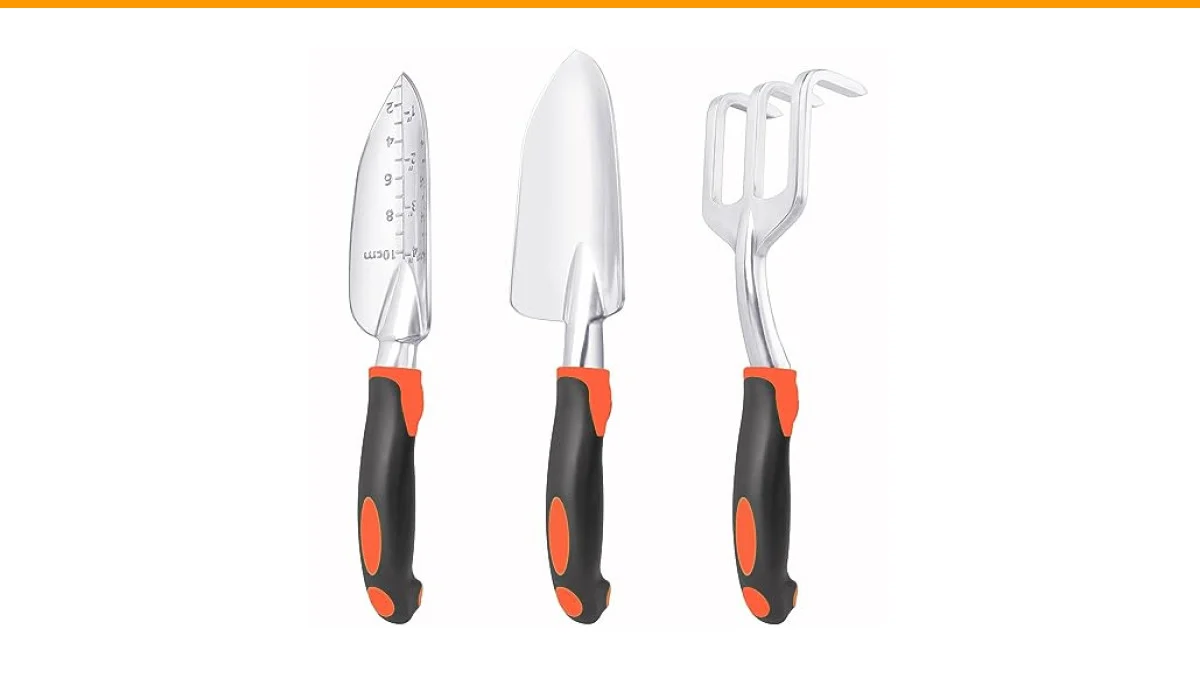
In the following sections, you’ll learn about the various types of trowels, materials, and features that can enhance your gardening experience. For instance, the MECHEER Garden Tools Set includes a garden trowel, a hand rake, and a transplanting spade, all designed with ergonomic handles for comfort and efficiency. This set could be a solid choice for those looking to meet their daily gardening needs.

MECHEER
Garden Tools Set, 3 Pack Heavy Duty Gardening Tools Set Include Garden Shovel, Transplant Trowel and Hand Rake with Ergonomic Handle, Aluminum Alloy Lawn for Planting, Orange
- 3 Piece Garden Tool Set: The gardening hand tools set includes a garden trowel, a garden rake and a transplanting spade with gradu…
- Sturdy and Long lasting: The main body of our garden tools set is made with high-quality thickened aluminum alloy material, which…
- Ergonomic Design: The handle is designed with contoured finger grips and palm rest to reduce hand fatigue and strain while plantin…
Types of Garden Trowels
Different gardening tasks require different types of trowels. Understanding what’s available will help you choose the right garden trowel:
- Traditional Hand Trowels: These are versatile and ideal for digging, planting, and transplanting. They typically feature a pointed blade, which is great for breaking up soil.
- Transplant Trowels: These trowels have a narrower blade and often include depth markings. They are designed for digging holes for transplanting seedlings, ensuring you don’t disturb nearby roots.
- Weeding Trowels: These tools are specifically designed to remove weeds from the root. They often have a curved blade that helps in prying up stubborn weeds.
- Pointed Trowels: These are excellent for breaking through tough soil or rocky areas. Their shape allows for easy penetration.
Materials Matter
The material of your trowel will greatly affect its durability and performance. Common materials include:
- Stainless Steel: Highly resistant to rust and corrosion, stainless steel trowels are durable and easy to clean. They offer excellent longevity.
- Aluminum: Lightweight and resistant to rust, aluminum trowels are easy to handle but may bend under heavy use. The MECHEER Garden Tools Set utilizes high-quality aluminum alloy, providing a sturdy option for most gardening tasks.
- Plastic: While lightweight, plastic trowels are less durable and can break under pressure. They are best for light, casual gardening.
Ergonomics and Comfort
Comfort is a critical factor when selecting a garden trowel. Look for features that enhance usability:
- Handle Design: A contoured handle with a comfortable grip can reduce hand fatigue. Ergonomic designs, like those found in the MECHEER set, provide a palm rest and finger grips.
- Weight: Choose a trowel that feels balanced in your hand. Heavier models may offer more strength, but they can be tiring to use over time.
- Size: Make sure the trowel fits your hand size. A tool that’s too large or too small can make gardening tasks cumbersome.
Garden Trowel Comparison Table
| Feature | Traditional Hand Trowel | Transplant Trowel | Weeding Trowel |
|---|---|---|---|
| Best Use | Diverse planting and digging | Transplanting seedlings | Removing weeds |
| Blade Size | Medium | Narrow | Wide |
| Material Options | Stainless Steel, Aluminum | Stainless Steel, Aluminum | Stainless Steel, Plastic |
| Ergonomic Handle | Yes | Yes | Often No |
What is the best material for a garden trowel?
Stainless steel is often considered the best material due to its durability and resistance to rust. It provides strength and longevity, making it ideal for various gardening tasks.
How do I maintain my garden trowel?
After each use, clean the blade with soap and water. Dry it thoroughly to prevent rust. Store it in a dry place, and consider applying a light coat of oil to the blade for added protection.
Can I use a garden trowel for digging in rocky soil?
Yes, but you should choose a trowel with a strong, pointed blade designed for tough conditions. A trowel like the one in the MECHEER set is built to handle thicker roots and rocky soil.
What size trowel should I use?
Choose a size that fits comfortably in your hand and is suitable for the tasks you perform most. A standard hand trowel is typically about 12 inches long, which works for most gardens.
Is a wider blade better for digging?
A wider blade can help move more soil quickly, but it can be cumbersome in tight spaces. For precision work, a narrower trowel is often more effective.
Final Thoughts on Choosing a Garden Trowel
- Understand the types of trowels available based on your gardening needs.
- Choose durable materials like stainless steel or aluminum for longevity.
- Prioritize ergonomic designs to reduce hand strain.
- Select a trowel that feels comfortable and balanced in your hand.
- Maintain your tools properly for optimal performance.
- Consider purchasing a set like the MECHEER Gardening Tools Set for a comprehensive solution.
- Always test the trowel in-store if possible to ensure it feels right.