
The Evolution of Riding Lawn Mowers: A Comprehensive Guide
Contents
Picture a hot summer day. You step outside, ready to tackle your overgrown lawn. Instead of pushing a heavy mower, you hop onto a riding lawn mower, feeling the breeze as you effortlessly glide across your yard. This convenience didn’t just appear overnight; it’s the result of decades of innovation and evolution in lawn care technology.
This article will take you through the fascinating history of riding lawn mowers, detailing their advancements, key features, and what to consider when choosing one today. By the end, you’ll understand how riding lawn mowers have transformed from rudimentary machines to sophisticated equipment, making lawn maintenance easier than ever.
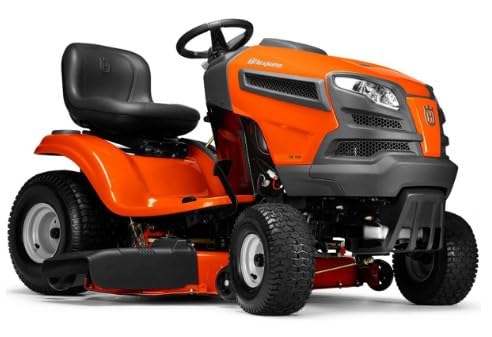
One excellent option for those looking to embrace modern lawn care is the Husqvarna TS 120 (42″) 19HP Briggs Lawn Tractor. With its robust Briggs & Stratton 19 HP engine and pedal-operated transmission, it offers a blend of power and control that enhances your mowing experience.

A Brief History of Riding Lawn Mowers
The journey of riding lawn mowers began in the early 20th century. The first commercial riding mower was introduced in the 1930s, featuring a simple design that allowed a seated operator to control the cutting deck. These early models were quite basic, with limited functionality and often required manual effort to operate effectively.
In the 1960s, significant advancements occurred with the introduction of the hydrostatic transmission, allowing for smoother operation and better speed control. This innovation gave rise to more user-friendly models that could tackle larger areas efficiently. By the 1980s, riding lawn mowers began incorporating features like electric starters and improved safety mechanisms, making them safer and easier to use.
Modern Features and Innovations
Today’s riding lawn mowers are equipped with a variety of features aimed at enhancing performance and user experience. Here are some notable innovations:
- Power Engines: Modern mowers often come with powerful engines, like the 19 HP Briggs & Stratton engine found in the Husqvarna TS 120, enabling them to handle tough terrains and thick grass with ease.
- Pedal-Operated Transmission: This allows operators to maintain both hands on the wheel, providing better control and a smoother mowing experience.
- Cutting Deck Technology: Advanced cutting decks, such as the 42-inch twin blade stamped design in the Husqvarna model, offer superior grass cutting and mulching capabilities.
- Comfort Features: Ergonomic seating and adjustable steering enhance comfort, particularly during long mowing sessions.
- Smart Technology: Some models integrate GPS and smartphone connectivity for tracking maintenance schedules and optimizing mowing patterns.
Choosing the Right Riding Lawn Mower
When selecting a riding lawn mower, consider the following factors to ensure you make the best choice for your needs:
- Yard Size: Larger yards benefit from more powerful engines and wider cutting decks.
- Terrain: If your lawn has hills or uneven ground, look for models with features that enhance stability.
- Storage: Ensure you have sufficient space to store the mower, especially if it’s a larger model.
- Budget: Prices can vary significantly, so consider your budget while still looking for features that meet your needs.
- Brand Reliability: Research brands and models known for durability and performance. The Husqvarna TS 120 is a solid choice with a reputation for quality.
| Feature | Husqvarna TS 120 | John Deere X350 | Cub Cadet XT1 |
|---|---|---|---|
| Engine Power | 19 HP | 18.5 HP | 18 HP |
| Cutting Deck Width | 42 inches | 42 inches | 42 inches |
| Transmission Type | Pedal-Operated | Hydrostatic | Hydrostatic |
| Comfort Features | Ergonomic Seat | High-back seat | Adjustable seat |
| Warranty | 3 years | 4 years | 3 years |
What should I consider when buying a riding lawn mower?
Look at yard size, terrain, and your budget. Also, consider brand reliability and specific features that meet your mowing needs.
How often should I maintain my riding lawn mower?
Regular maintenance is crucial. Change the oil every 50 hours of use, check the blades, and clean the air filter every season.
Are riding lawn mowers worth the investment?
For larger properties, riding lawn mowers save time and effort. They can be more efficient over traditional push mowers, especially for extensive lawns.
How do I store my riding lawn mower for winter?
Clean the mower thoroughly, drain the fuel, and store it in a dry area. Consider using a cover to protect it from dust and moisture.
Can riding lawn mowers handle steep hills?
Some models are designed specifically for hilly terrains. Look for mowers with a lower center of gravity and a strong traction system for better stability.
Essential Takeaways
- Riding lawn mowers have evolved significantly since their inception in the 1930s.
- Modern features enhance user experience, such as pedal-operated transmissions and powerful engines.
- Consider your yard size, terrain, and budget when choosing a mower.
- Regular maintenance is key to the longevity of your mower.
- Research brands and models known for reliability to ensure a solid investment.