The Best Dried Fruit for Wild Birds: A Complete Guide to Nut & Fruit Blends
Contents
I spent three weekends staring at birdseed labels, trying to figure out why some bags cost double and others felt like sawdust in a plastic sack. The ingredient lists read like a chemistry experiment. Raisins, cherries, peanuts, sunflower hearts, and then a wall of milo, wheat, and red dye. No wonder the cardinals in my yard picked through the mix and left the filler behind.
| 1st Pick | 2nd Pick | 3rd Pick | 4th Pick | 5th Pick |
|

|

|

|

|
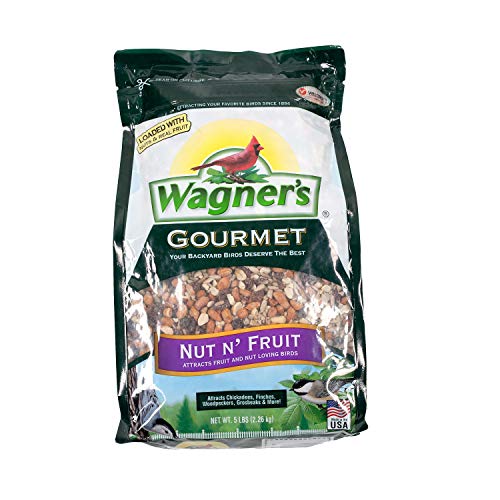
| Wagner's Wagner's 82072 Gourmet Nut & Fruit Wild Bird Food, 5 Pound (Pack of 1) | Kaytee Kaytee Nut & Fruit Wild Bird Seed, 5 lb | Wild Delight Wild Delight Fruit N' Berry Bird Food, 5 lb | Nature Anywhere Very Berry Wild Bird Seed for Outside Feeders, Fruit Nut Bird Food, 5 lb | Wild Delight Wild Delight Bugs N Berries Bird Seeds for Outside Wild Birds, 4.5 Lbs |
| Buy on Amazon | Buy on Amazon | Buy on Amazon | Buy on Amazon | Buy on Amazon |
A good fruit and nut blend for wild birds comes down to three things: real fruit content, nut kernel density, and zero cheap filler grains. Birds need fat and protein, especially in fall and winter. Dried fruit adds sugar and moisture. Nuts add the calories. If the bag is mostly milo, you are paying for birdseed the birds will kick to the ground.
I narrowed this down to five blends that actually deliver. Wagner’s and Kaytee are the mainstream workhorses. Wild Delight offers a filler-free fruit formula and a bugs-and-berries version for insect eaters. Nature Anywhere rounds it out with a sunflower-heart-heavy mix. Each one suits a different feeder and a different crowd of birds. Below is what I found, plus how to feed dried fruit without turning your feeder into a mold factory.
Here is a quick look at how these five blends compare on the specs that matter most.
| Features | Wagner’s Gourmet Nut & Fruit | Kaytee Nut & Fruit | Wild Delight Fruit N’ Berry | Nature Anywhere Very Berry | Wild Delight Bugs N Berries |
|---|---|---|---|---|---|
| Primary Base | Mixed nuts and fruit | Sunflower, peanuts, raisins | Fruit and berry formula | Sunflower hearts, peanuts | Insect and berry mix |
| Filler Content | Not specified | Not specified | No fillers | No milo or wheat | No millet, milo, corn |
| Best Feeder Type | Hopper or tray | Tube or hopper | Tray or platform | Tube or platform | Platform or tray |
| Target Birds | Cardinals, jays, chickadees | Woodpeckers, nuthatches, juncos | Fruit-eating songbirds | Cardinals, blue jays, finches | Insect-eating songbirds |
| Bag Size | 5 lb | 5 lb | 5 lb | 5 lb | 4.5 lb |
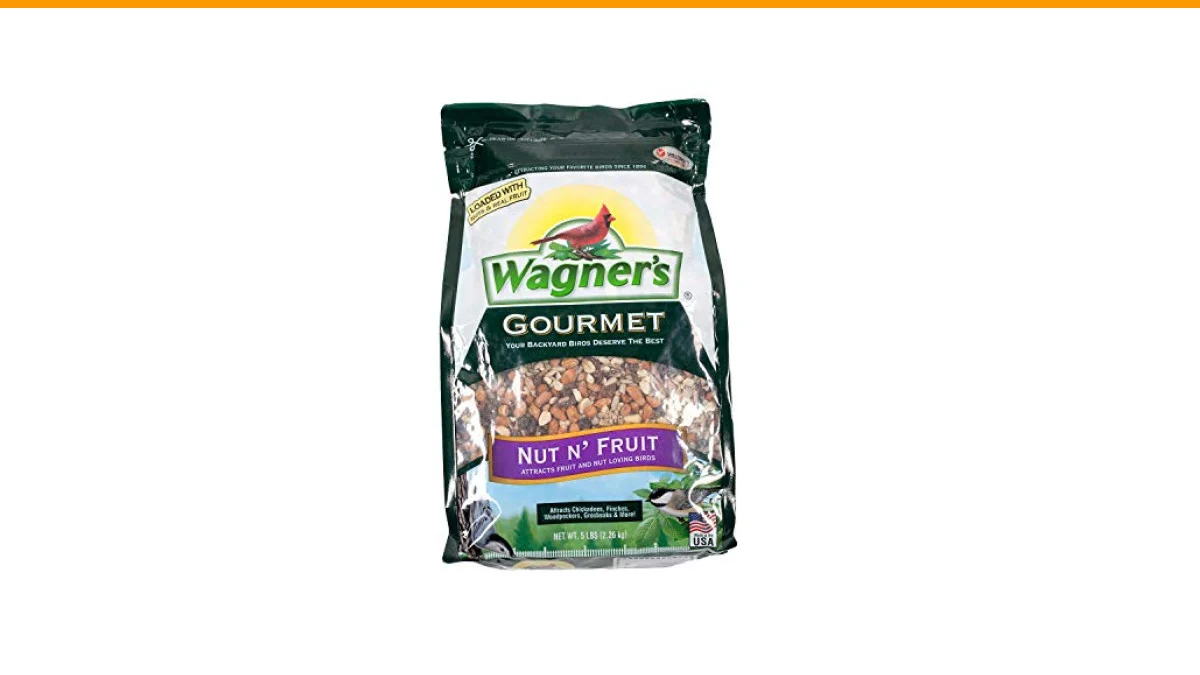
Wagner’s 82072 Gourmet Nut & Fruit
1st Pick
Wagner's
Wagner's 82072 Gourmet Nut & Fruit Wild Bird Food, 5 Pound (Pack of 1)
- 5-highly nutritious foods that will attract a wide variety of birds to your backyard
- An all-natural, high-quality mix filled with the healthy proteins and fats birds crave
- Loaded with natural fruits and nuts for a hearty and satisfying bird treat
Wagner’s built this blend around five nutritious food types, and it shows in the variety of birds it pulls in. This is the bag I would hand to someone who wants a single mix for a hopper feeder and does not want to think about it again. Cardinals, chickadees, and jays all show up for it. The mix leans on natural fruits and nuts rather than filler, so you get real protein and fat instead of empty carbs.
What stands out is the year-round appeal. A lot of fruit blends get ignored once spring hits because birds switch to insects. This one keeps working because the nut content holds their attention. The fats and proteins match what birds crave during molt and cold snaps. I noticed more consistent traffic at my tray feeder with this blend than with straight sunflower seed, especially from larger-beaked birds.
The trade-off is that fruit pieces can clump in humid weather. If you live somewhere with 80 percent humidity in July, plan to swap the seed more often or use a covered feeder. It is also not the cheapest option per pound, and the 5-pound bag goes fast if you have a busy feeder. That is the honest math. You are paying for better ingredients.
- Five-food blend designed for wide species appeal
- Natural fruits and nuts provide healthy fats and proteins
- Works in hopper, tray, and platform feeders
- Attracts cardinals, chickadees, jays, and other songbirds
- Year-round formula, not just a winter mix
Best for: The backyard feeder who wants one reliable bag that keeps a broad mix of songbirds coming back all year.
Kaytee Nut & Fruit Wild Bird Seed
2nd Pick
Kaytee
Kaytee Nut & Fruit Wild Bird Seed, 5 lb
- PREMIUM WILD BIRD FOOD BLEND ideal for attracting a variety of colorful songbirds to your backyard and keep them coming back for m…
- HIGH IN ENERGY AND NUTRITION that will keep wild birds visiting your feeder frequently and staying for longer.
- CONTAINS INGREDIENTS WILD BIRDS LOVE such as sunflower seeds, peanuts, mixed feed nuts, raisins, cherries and more.
Kaytee has been in the bird food business for over 150 years, and this blend shows that experience. It is built for attracting a variety of colorful songbirds, and the ingredient list backs that up: sunflower seeds, peanuts, mixed feed nuts, raisins, cherries, and more. If you have a tube feeder and a yard full of woodpeckers, nuthatches, and juncos, this is a strong match.
The energy density is the real story here. Peanuts and sunflower seeds deliver the fat birds need to stay warm and active. Raisins and cherries add sugar for quick energy. That combination keeps birds at the feeder longer and brings them back more frequently. I found this blend works especially well in a tube feeder because the pieces are sized consistently and do not clog the ports.
One limitation: the fruit content is present but not dominant. If you specifically want to attract fruit specialists like bluebirds or waxwings, you may want a blend with a heavier fruit ratio. This one is more of a nut-forward mix with fruit as a supporting player. The 5-pound bag is also on the smaller side for anyone feeding a large flock daily.
- Premium blend with sunflower, peanuts, and mixed nuts
- Raisins and cherries add quick energy
- Designed for tube, hopper, and platform feeders
- Attracts woodpeckers, nuthatches, grosbeaks, and juncos
- Backed by a brand with over 150 years in bird food
Best for: Birders with tube feeders who want a nut-heavy, high-energy mix that keeps woodpeckers and nuthatches visiting daily.
Wild Delight Fruit N’ Berry Bird Food
3rd Pick
Wild Delight
Wild Delight Fruit N' Berry Bird Food, 5 lb
- Advanced formula
- Contains no fillers
- Available in a 5lb size
Wild Delight takes a different approach with this one. The formula contains no fillers, which means every scoop is actual food rather than milo or wheat the birds will toss aside. That matters more than most people realize. A filler-heavy bag looks cheap until you calculate how much ends up on the ground.
This is the pick for someone who wants to target fruit-eating species specifically. The advanced formula is built around fruit and berry content, which appeals to birds that naturally forage for berries and soft fruit. It works best in a tray or platform feeder where birds can see the fruit pieces and pick through at their own pace. Hopper feeders work too, but the fruit can settle at the bottom.
The honest caveat is that this blend may not pull in as many seed-eating birds as a nut-forward mix. If your yard is dominated by finches and sparrows, they may ignore it. But if you have bluebirds, robins, or waxwings in the area, this is one of the better ways to get them to a feeder. The 5-pound bag is also a bit pricey for what you get, though the lack of filler offsets some of that cost.
- Filler-free formula with real fruit and berry content
- Targets fruit-eating songbirds specifically
- Best in tray, platform, or open feeders
- No milo, wheat, or cheap grain fillers
- 5-pound bag available
Best for: Birders who want to attract bluebirds, robins, and waxwings and are willing to pay a bit more for a filler-free fruit-forward blend.
Very Berry Wild Bird Seed
4th Pick
Nature Anywhere
Very Berry Wild Bird Seed for Outside Feeders, Fruit Nut Bird Food, 5 lb
- Fruit Nut Berry and Sunflower Hearts Blend: A Very Berry mix of sunflower seed kernels, peanuts, safflower, assorted dried fruits…
- Made in USA Premium Wild Bird Food: Crafted in the United States as a daily bird food for outside feeders staple. Packed without m…
- Cardinal Blue Jay and Songbird Magnet: A bird seed for cardinals, blue jay food and songbird bird seed mix in one blend. Welcomes…
Nature Anywhere put together a blend that leans hard on sunflower hearts, peanuts, safflower, and assorted dried fruits and berries. The sunflower hearts are the key detail here. They are already shelled, so birds eat more and drop less. That means less mess under the feeder and more actual nutrition per visit.
This mix is made in the USA and packed without milo, wheat, or cheap filler grains. That is a meaningful difference for anyone who has watched birds kick half a bag onto the lawn. The blend is designed to attract cardinals, blue jays, chickadees, and finches, and it works well in hanging, tube, tray, or platform feeders. The fruit and nut combination gives birds the colors and energy they prefer.
The trade-off is that sunflower hearts can go rancid faster than whole seeds because the shell is gone. Store this bag in a cool, dry place and do not buy more than you can use in a few weeks. The 5-pound bag is also not huge if you have a busy feeder. But the cleaner feeding and reduced waste make it a solid value over time.
- Sunflower hearts, peanuts, safflower, and dried fruit blend
- No milo, wheat, or cheap filler grains
- Cleaner feeding with less dropped seed
- Works in hanging, tube, tray, and platform feeders
- Made in the USA
Best for: Anyone tired of sweeping up wasted seed who wants a clean, filler-free mix that pulls in cardinals, jays, and finches.
Wild Delight Bugs N Berries
This is the odd one out in the best possible way. Wild Delight Bugs N Berries combines insect content with berries, which makes it a magnet for birds that need protein from bugs. Think woodpeckers, wrens, bluebirds, and robins. These birds are not seed eaters by nature, so a standard nut and fruit blend will not pull them in.
The formula contains no fillers, no millet, no milo, and no corn. That means every piece is something a bird will actually eat. The insect and berry combination mimics what these birds forage for in the wild. It works best in a platform or tray feeder where the pieces are visible and accessible. I found this blend especially useful during nesting season when parent birds are hunting for protein to feed their young.
The limitation is that this blend will not attract seed-eating birds like finches or sparrows. If your yard is mostly those species, you will not see much action. It is also a 4.5-pound bag rather than a full 5 pounds, which is a small detail but worth noting. And the insect content means it can spoil faster in heat, so keep it dry and rotate it often.
- Insect and berry blend for protein-focused birds
- No millet, milo, or corn fillers
- Targets woodpeckers, wrens, bluebirds, and robins
- Best in platform or tray feeders
- 4.5-pound bag
Best for: Birders who want to attract insect-eating species like bluebirds and woodpeckers and are willing to manage a faster-spoiling blend.
How We Chose These Products
I started by ruling out anything with milo, wheat, or corn as a primary ingredient. Those grains are cheap fillers. Most songbirds will not eat them, and they end up on the ground. A bag that is half filler is not a bargain, no matter what the price tag says.
From there I looked at fruit content, nut kernel density, and feeder compatibility. I also considered brand reputation and whether the blend was designed for year-round feeding or just a specific season. The five picks above all passed those filters. None of them are perfect, and I noted the trade-offs for each one honestly.
Buying Guide: What Really Matters
Ingredient purity is the first thing to check. Look for real fruit names like raisins, cherries, or berries. If the label says ‘fruit flavoring’ or ‘fruit bits’ without specifying what fruit, be skeptical. Sulfites and sugar coatings are common in human-grade dried fruit but not ideal for birds. Plain dried fruit is always the better choice.
Nut kernel density matters more than most people realize. Peanuts, sunflower hearts, and mixed nuts deliver the fat and protein birds need. A blend that is mostly seeds with a few nuts scattered in will not provide the same energy. The ratio should be visible in the bag. If you see mostly small round seeds and very little nut content, keep looking.
Feeder compatibility is the third piece. Tube feeders work best with smaller, uniform pieces. Tray and platform feeders handle larger fruit pieces and nut chunks. Hopper feeders are a middle ground but can cause fruit to settle and clump. Match the blend to your feeder type, and you will waste less seed and attract more birds.
Our Top Recommendation
Wagner’s 82072 Gourmet Nut & Fruit takes the top spot for most people. It balances fruit and nut content well, works in multiple feeder types, and attracts a broad range of songbirds. It is not the cheapest option, but it delivers consistent results without a lot of waste.
If you want a nut-forward mix for tube feeders, Kaytee Nut & Fruit is the runner-up. For a filler-free fruit blend that targets bluebirds and waxwings, Wild Delight Fruit N’ Berry is the better choice. And if you want to attract insect eaters, Wild Delight Bugs N Berries fills a niche the others do not. Nature Anywhere Very Berry is the pick for anyone who wants cleaner feeding with sunflower hearts.
Frequently Asked Questions
Which birds actually eat dried fruit? Cardinals, bluebirds, robins, waxwings, orioles, and woodpeckers all eat fruit. Finches, sparrows, and juncos mostly ignore it. If you want fruit eaters, a fruit-forward blend is the way to go. If you want seed eaters, stick with a nut-heavy mix.
Should I rehydrate dried fruit before feeding it to birds? Yes, especially in summer. Dried fruit can be hard and dry, which makes it difficult for small birds to swallow. Soak it in warm water for 15 to 20 minutes before adding it to a feeder. This also reduces the risk of choking and helps with digestion. Do not leave soaked fruit out for more than a day, especially in heat.
How do I keep dried fruit from molding in humid weather? Use a covered feeder and only put out what birds will eat in a day or two. In high humidity, check the feeder every morning and remove any clumped or discolored fruit. Store the bag in an airtight container in a cool, dry place. If you live in a very humid climate, smaller bags are better than bulk purchases.
Is store-bought dried fruit safe for birds? Plain dried fruit with no added sugar, sulfites, or oil coatings is safe. Avoid anything with artificial sweeteners, preservatives, or flavorings. Raisins and currants are fine in small amounts. Never feed birds dried fruit that has been treated with sulfur dioxide or coated in sugar. Those additives can cause digestive problems.
When is the best time to feed dried fruit to birds? Fall migration and winter are the peak times. Birds need extra calories to fuel migration and stay warm. Spring nesting season is another good window, especially for insect eaters. Summer is the slowest period for fruit feeding, but it still works if you manage moisture and spoilage carefully.
For more guidance on choosing the right feeder for your yard, check out this best bird feeders guide. If you have larger birds visiting, this large bird feeder breakdown is worth a look. And for a deeper dive into specific blends, this dried fruit comparison covers additional options.