The side of your house that never sees the sun. The strip of soil under a big maple tree. That awkward corner between the fence and the patio where grass refuses to grow. If you have spent money on sun-loving annuals only to watch them stretch thin and fade, you know the frustration. Shade is not a problem to fix. It is a condition to work with. The right plants turn those dim, bare spots into the most peaceful part of your yard.


A great shade border plant does three things. It tolerates low light without getting leggy. It offers foliage that stays interesting from spring to frost. And it fills its space without demanding constant attention. Hostas are the obvious leaders here, but ferns and coleus deserve serious consideration depending on your climate and the look you want. The key is matching the plant to the specific shade you have, whether that is dappled light, deep shade, or a spot that gets a few hours of morning sun.
I have sorted through five of the most promising options for shady borders and edging. Two are seed mixes, one is a ready-to-plant fern, and two are specialized seed collections. Below you will find a comparison table to help you narrow things down, followed by a detailed breakdown of each pick, including who it suits best and where it falls short. My overall favorite for most gardeners is the 308 Hosta Seeds mix from BuggyBeds, but the right choice depends on your patience level and whether you want instant plants or a project.
Here is a quick look at how the main options compare on the specs that actually matter for a shade border.
| Features | 100+ Hosta Seeds | 308 Hosta Seeds | Autumn Fern Plant | 220+ Hosta Mix | Rainbow Coleus |
|---|---|---|---|---|---|
| Plant Type | Perennial | Perennial | Perennial | Perennial | Annual |
| Starting Method | Seeds | Seeds | Live Plant | Seeds (stratify) | Seeds |
| Key Feature | Beginner friendly | Heart-shaped foliage | Instant garden size | Color variety | Vivid rainbow colors |
| Shade Level | Full to partial | Partial to bright | Landscape shade | Shade tolerant | Part sun to shade |
| Best Use Case | Ground cover | Borders & pathways | Edging & containers | Borders & containers | Colorful accents |

In this article
100+ Seeds Perennial Host…

Carpet Creeping
100+ Seeds Perennial Hosta Flower Seed for Planting Outdoors Garden Home Beauties
- Exceptional Shade Tolerance: Our Hosta plants are perfect for those hard - to - plant shady areas in your garden.
- Easy to Maintain: These perennial Hosta plants are beginner - friendly. They have low maintenance requirements, needing only regul…
- Versatile Landscape Use: Suitable for both ground cover in large areas and as border plants, Hostas can be used in multiple ways i…
This Carpet Creeping seed pack is aimed squarely at the gardener who wants to fill a large, dark area without spending a fortune on nursery plants. It is a bulk seed collection, offering over one hundred seeds of what appears to be a mixed hosta variety. If you have a long border along a north-facing wall or a big patch under trees, this is a budget-friendly way to get a lot of coverage eventually.
The selling point here is simplicity. The product description highlights its low maintenance nature and beginner-friendly profile. Hostas are genuinely forgiving plants. Once established, they need little more than occasional watering during dry spells. They also return reliably each year, which means this is not a one-season purchase. The versatility is real, too. You can use them as a dense ground cover or plant them in a row to define a border edge.
Here is the trade-off you need to understand. Growing hostas from seed takes patience. You are not buying a plant that will look like a lush border this summer. It takes time for seeds to germinate and several years for young plants to reach a mature, impressive size. Also, because this is a generic seed mix, you do not know exactly which hosta varieties you will get. Leaf color, texture, and mature size are a bit of a lottery. If you are fine with surprises and a long-term project, this is a solid, economical starting point.
- Over 100 seeds per pack for broad coverage
- Perennial growth habit means it returns each year
- Works as ground cover or traditional border planting
- Low maintenance needs once plants are established
- Requires patience; several years to reach full size
Best for: The budget-conscious gardener who wants to fill a large shaded area over time and does not mind waiting for seeds to mature.
308 Hosta Seeds for Plant…
BuggyBeds offers a more generous seed count with 308 seeds, and the branding leans into the ornamental side of hostas. This is for the gardener who sees a shade border not as a blank space to fill, but as a place to create structure and depth. The description emphasizes lush, heart-shaped foliage, which is the classic hosta look that many people picture when they plan a shade garden.
What stands out here is the flexibility in sowing. You can start these indoors or direct sow them outdoors, with spring and fall both listed as viable seasons. Germination is expected within one to three weeks under warm conditions, which is reasonably quick for hosta seeds. This gives you control over your timeline. Starting indoors in late winter can give you small plants ready for a spring transplant, which shortens the wait to see actual growth in your border.
The pollinator-friendly blooms are a nice bonus. Mature plants send up flower spikes that attract hummingbirds. That adds a vertical element and a bit of wildlife interest to what is otherwise a foliage-focused plant. The main limitation is the same as any seed-grown hosta: time. You will get small plants in year one, not a finished border. This mix also prefers partial to bright shade, so it may not thrive in deep, dark corners where almost no light penetrates. For most standard shade situations under trees or beside buildings, it will do fine.
- Generous 308 seed count for larger projects
- Indoor or outdoor sowing with spring and fall windows
- Germination typically occurs within 1-3 weeks
- Mature plants produce spikes that attract hummingbirds
- Best in partial to bright shade, not deep darkness
Best for: Gardeners who want a large, varied hosta border and are willing to start seeds indoors to get a head start on the growing season.
Autumn Fern Plants Live O…
Plants for Pets
Autumn Fern Plants Live Outdoor Plants, Fern Plant Live Plants Outdoor Live Fern Potting Soil, Landscape Edging Perennial Plants for Shade, Outdoor Plants Live Ferns for Outdoors by Plants for Pets
- Autumn fern is one of many popular landscaping plants that gardeners grow as lawn edging along a garden pathway, ground cover, a l…
- Bask in the foliage of these perennial shade plants and enjoy fast growing plants instead of buying seeds for planting flowers. In…
- Grow these perennial ferns with ground cover plants, spring bulbs and evergreen shrubs for landscaping in garden shade. Plant near…
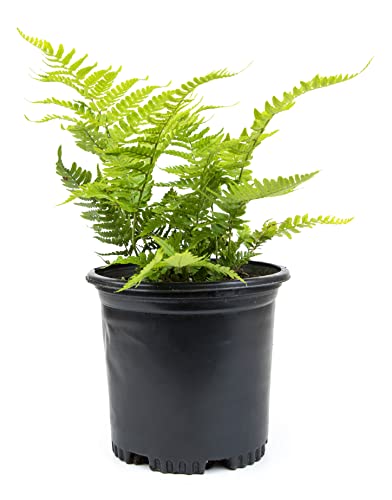
This pick from Plants for Pets is completely different. It is not a seed packet. It is a live Autumn Fern shipped in a one-gallon nursery pot. That distinction matters. If you want an instant border that looks established this season, this is the only product on this list that delivers that result immediately. You dig a hole, place the plant, and you have an instant garden presence.
Autumn ferns get their name from the seasonal color change. The fronds emerge with a coppery or orange tint in spring before settling into a rich green for summer. This gives your border a subtle dynamic quality that a single-color plant cannot match. The product description mentions its use as lawn edging, ground cover, or a landscape border, and it fits all those roles well. It also works in containers or hanging planters if you want to soften a patio corner.
The trade-off is price and quantity. You are buying one plant, not a collection. To create a long border, you will need to purchase several of these, which adds up quickly. The hardiness zone listed is Zone 7, so gardeners in colder northern climates may find this fern struggles to survive harsh winters outdoors. It is a perennial, so it should return each year in the right zone, but you need to verify your local climate before relying on it as a permanent border solution. The company does donate a portion of proceeds to animal shelters, which is a small ethical plus.
- Ships as a live plant in a 1-gallon nursery pot
- Provides instant visual impact in the garden
- Fronds change color from copper tones to green
- Suitable for edging, ground cover, and containers
- Hardy in Zone 7; may need winter protection in colder areas
Best for: The impatient gardener who wants a mature-looking shade border today and lives in a moderate climate where ferns thrive.
220+ Mix Hosta Seeds for…
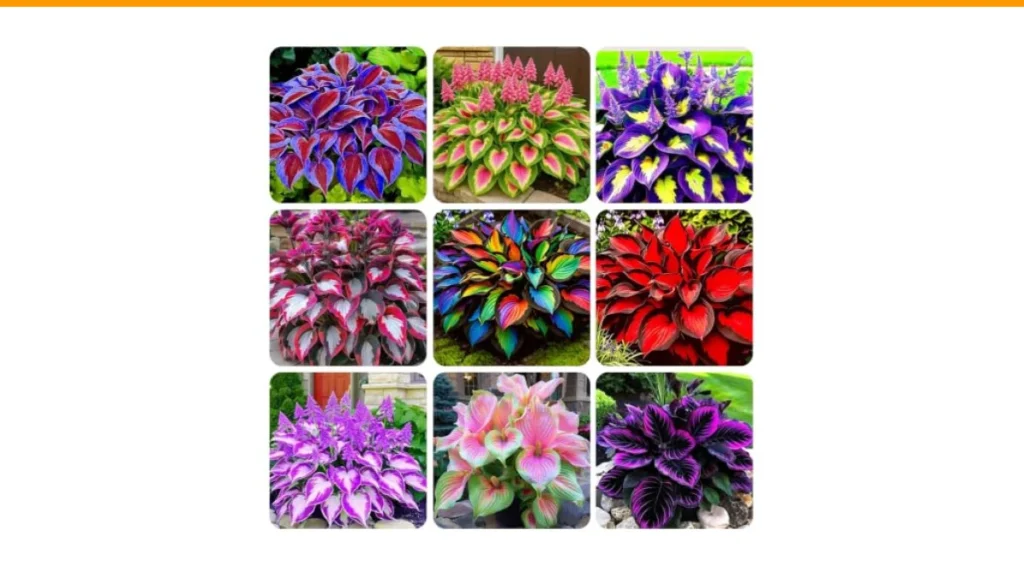
This generic-brand seed mix offers over 220 seeds with a specific promise: a wide range of leaf colors. The product data mentions greens, blues, reds, purples, and white variations. For a gardener who wants a textured, multi-colored border rather than a uniform green line, this mix provides the genetic variety to achieve that goal. It is an ornamental focal point for shaded areas.
The description highlights its use as a ground cover, noting that the clumping foliage densely covers soil surfaces. This is a practical benefit. A dense hosta planting suppresses weeds naturally, which cuts down on your maintenance work. Once the plants fill in, you will spend less time pulling weeds in that shady spot. The color variations mean the border looks intentional and designed rather than accidental.
Here is the catch with this specific product: it explicitly requires cold stratification. You cannot just scatter these seeds on the ground and hope for the best. The instructions say to mix seeds with a moist medium, seal them in a bag, and refrigerate them at around 4°C for 4-6 weeks before sowing. This mimics winter conditions and is essential for germination. If you are not prepared for that extra step, this mix will likely disappoint you. The stratification process takes planning and a bit of refrigerator space. For a gardener who enjoys a project and wants specific color outcomes, this is a rewarding challenge. For someone who wants simple sowing, look elsewhere.
- 220+ seeds with diverse color genetics
- Dense clumping habit suppresses weeds effectively
- Requires 4-6 weeks of cold stratification before sowing
- Ideal for creating a multi-colored border display
- Can be started indoors or in outdoor nursery beds
Best for: The detail-oriented gardener who does not mind a cold stratification step in exchange for a wider palette of leaf colors.
SVI 1200 Rainbow Coleus S…

SVI
SVI 1200 Rainbow Coleus Seeds (Plectranthus Scutellarioides) - Painted Nettle Garden Seed Packets, Colorful Foliage Mix, Shade Tolerant - Annual Flower Seeds for Indoor & Outdoor Garden and Borders
- Vivid Rainbow Foliage: Rainbow coleus seeds produce dense foliage in magentas, greens, yellows, and reds. Coleus seeds thrive in p…
- Easy Growing Annual: Coleus seeds for planting outdoors are low maintenance and fast growing, reach about 12 inches tall with a sp…
- Flexible Indoor or Outdoor Use: Rainbow coleus seeds grow well indoors or outdoors. Start coleus seeds indoors 6-8 weeks before la…
SVI’s Rainbow Coleus mix is the odd one out here because it is an annual, not a perennial. That means you plant it, enjoy it for one season, and replant next year. But do not dismiss it. Coleus is a workhorse for shade gardens, and this mix offers something hostas cannot: vivid, multi-colored foliage in magentas, greens, yellows, and reds. If your border lacks punch, coleus delivers it.
This is a fast-growing plant that reaches about 12 inches tall with a spreading habit. The description notes that pinching the tops when the plant hits 6 inches encourages a bushier, more compact shape. That is a simple, hands-on task that gives you control over the final look. Coleus is also flexible about where it grows. It thrives in part sun to part shade, which makes it a good candidate for borders that get dappled morning light but harsh afternoon shade. It grows in zones 4-10, so it has a wide geographic range.
The annual lifecycle is the main drawback. You will need to sow seeds each year to maintain your border. The silver lining is that coleus germinates in 7-14 days, which is fast, and you get a full season of color from a relatively short wait. The product description mentions it is low maintenance, but it does need consistent moisture. If you let the soil dry out completely, the leaves will wilt dramatically. This is not a set-it-and-forget-it plant for drought-prone gardens. It is a high-impact, high-color choice for someone who enjoys annual replanting rituals.
- 1200 seeds for abundant, dense planting
- Foliage mix includes magentas, greens, yellows, and reds
- Grows to roughly 12 inches tall with a spreading form
- Pinching tops at 6 inches encourages bushier growth
- Annual plant; requires replanting each season
Best for: Gardeners who want bold, colorful borders in partial shade and enjoy the yearly ritual of starting seeds for a fresh display.
How We Chose These Products
I focused on real-world garden scenarios rather than just seed counts or pretty pictures. The first filter was shade tolerance. Every plant here needs to perform in low-light conditions where sun-loving species fail. The second filter was border suitability. Each pick must work as an edging plant or a defined border planting, not just as a random filler.
I also weighed the effort-to-reward ratio. Seeds are cheaper but require patience and often stratification. Live plants cost more but give immediate structure. I balanced those factors against the needs of different gardener profiles, from the budget-conscious beginner to the gardener who wants instant results. The comparison table highlights the key differences, and the detailed reviews address the specific trade-offs that are not obvious from a product listing alone.
Buying Guide: What Really Matters
Before you buy, assess your shade honestly. Is it deep shade under a dense tree canopy, or is it bright shade that gets a few hours of indirect light? Hostas prefer the latter. Ferns tolerate deeper shade. Coleus wants some light to maintain its vivid colors. Matching the plant to your light level is the single most important decision. Ignore this and you will struggle no matter which product you choose.
Consider your timeline and budget. A live plant like the Autumn Fern gives you an instant border but costs more per linear foot. Seed mixes are inexpensive and can cover large areas, but you will wait years for mature plants. If you are patient, seeds are a smart investment. If you are moving soon or want immediate curb appeal, live plants are the better route. There is no wrong answer, only a wrong match for your situation.
Check your hardiness zone before committing to perennials. The Autumn Fern is rated for Zone 7, which limits its use in colder regions. Hostas are generally hardy across a wider range, but seed mixes do not always specify the exact varieties included. That lack of specificity is a risk. You are gambling on genetics. For a more predictable outcome, look for named varieties or stick with live plants from a local nursery.
Our Top Recommendation
The 308 Hosta Seeds mix from BuggyBeds is the best overall pick. It offers the largest seed count of the hosta options, flexible sowing windows, and a reasonable germination time. Hostas are the undisputed champions of shade borders, and this mix gives you the volume to create a substantial planting. It balances cost, ease, and long-term payoff better than the others. The heart-shaped foliage and pollinator-friendly blooms are bonuses that add value beyond mere ground cover.
If you want instant gratification, the Autumn Fern from Plants for Pets is your alternative. It is a real, living plant that creates an immediate impact. It costs more, and you will need several for a long border, but you skip the waiting game entirely. For a burst of color in partial shade, the SVI Rainbow Coleus mix is the runner-up. It is an annual, so you replant each year, but the vivid foliage is unmatched by any hosta. If you have a cooler refrigerator and a bit of patience, the 220+ Mix Hosta Seeds offers the most diverse color palette for a truly unique border.
Frequently Asked Questions
How long does it take for hosta seeds to grow into a full border?
Expect small plants in the first year and a recognizable border by year two or three. Full maturity, where plants reach their maximum size and fill in completely, can take three to five years. This is the main reason some gardeners prefer buying live plants.
Can I mix hostas with coleus in the same shade border?
Yes, and it is a smart design move. Hostas provide large, textured leaves and a permanent backbone. Coleus adds bright, colorful accents and fills gaps while the hostas are still young. Just remember coleus is an annual, so you will replant it each spring.
What does cold stratification mean, and do I really need to do it?
Cold stratification mimics winter by exposing seeds to cold, moist conditions. For the 220+ Mix Hosta Seeds, it is required for good germination. You mix seeds with moist soil, seal them in a bag, and refrigerate for 4-6 weeks. Skipping this step will likely result in poor or no germination.
Why are my shade border plants getting leggy and stretched out?
That usually means they are not getting enough light. Even shade plants need some brightness. If your border is in deep, dark shade, consider switching to ferns, which tolerate lower light better than hostas or coleus. You can also prune surrounding tree branches to let in more dappled light.