

Understanding Why Your Lawn Isn’t Green
Contents

Why Is My Lawn Not Green?
Many homeowners experience the frustration of a lackluster lawn. You step outside, hoping to see vibrant green grass, only to find patches of brown or yellow. This situation can be disheartening, especially after investing time and resources into lawn care. Understanding the reasons behind a non-green lawn is crucial for restoring it to its former glory.
This article will equip you with the knowledge to diagnose common issues affecting your lawn’s color and vitality. You’ll learn about soil health, water management, and fertilization strategies that can make all the difference. Plus, we’ll touch on a helpful product that can support your lawn care efforts.
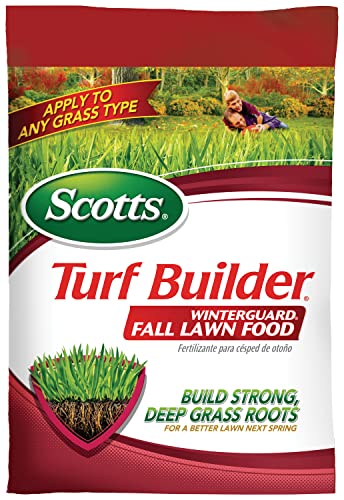
Scotts
Scotts Turf Builder WinterGuard Fall Lawn Food, 32.3 lbs.
- FALL LAWN FERTILIZER: Scotts Turf Builder WinterGuard Fall Lawn Food is a fertilizer that builds strong, deep grass roots for a be…
- SUMMER LAWN RECOVERY: Our fertilizer provides the plant food nutrients lawns need to help recover from summer heat, drought, and r…
- APPLY IN FALL TO PREPARE YOUR LAWN FOR WINTER: Apply this grass fertilizer to a wet or dry lawn in the fall
One effective solution to consider is Scotts Turf Builder WinterGuard Fall Lawn Food. This fertilizer builds strong, deep roots, helping your lawn recover from summer heat while preparing it for winter. Applying it in the fall can set your lawn up for success in the spring.
Common Causes of a Non-Green Lawn
Identifying the root cause of your lawn’s discoloration is the first step toward revitalization. Here are the most common factors that contribute to a less-than-vibrant lawn:
- Soil Quality: Poor soil health can lead to nutrient deficiencies. Soil tests can reveal pH levels and nutrient content, guiding you on amendments needed to improve fertility.
- Inadequate Watering: Both over and under-watering can cause stress. Ideally, lawns need about 1 to 1.5 inches of water per week. Adjust your watering schedule based on rain and temperature.
- Pests and Diseases: Insect infestations and fungal diseases can turn grass brown. Regular inspections can help catch these issues early.
- Improper Mowing: Cutting grass too short can lead to stress and exposure to weeds. Aim to mow at a height of 2.5 to 4 inches, depending on grass type.
Fertilization Myths: What You Should Know
Many homeowners believe that more fertilizer equals a greener lawn. This is a common misconception. Over-fertilizing can harm your grass, leading to nutrient burn and other issues. Instead, focus on the right type and amount of fertilizer for your specific grass variety.
Applying fertilizers in the spring and fall can be beneficial. The fall is especially crucial, as it prepares your lawn for winter and encourages root development. A product like Scotts Turf Builder WinterGuard offers a balanced nutrient profile suitable for fall application.
Water Management: The Key to Green Grass
Water management plays a vital role in maintaining a green lawn. Many homeowners mistakenly believe that daily watering is the best approach. However, deep, infrequent watering promotes root growth and drought resistance. Watering early in the morning reduces evaporation and fungal risk.
Investing in a rain gauge can help you track how much water your lawn receives. Adjust your watering schedule based on rainfall and the needs of your grass type. Remember, a well-hydrated lawn is a healthy lawn.
Comparative Overview of Lawn Care Approaches
| Method | Benefits | Potential Drawbacks |
|---|---|---|
| Regular Mowing | Promotes growth and health | Can stress grass if cut too short |
| Soil Testing | Identifies nutrient needs | Requires time and effort |
| Deep Watering | Encourages deep root growth | Can be time-consuming |
| Fertilizer Application | Boosts nutrient levels | Over-application can burn grass |
What are the signs of a sick lawn?
Signs include discolored patches, thin spots, and visible pests or fungi. Regular inspections can help you identify these issues early.
How often should I fertilize my lawn?
Generally, fertilize in the spring and fall, about every 6 to 8 weeks during the growing season, depending on your specific grass type.
Can overwatering hurt my lawn?
Yes, overwatering can suffocate roots and promote fungal diseases. Aim for deep, less frequent watering.
What type of grass is best for my area?
The best grass type depends on your climate and sun exposure. Cool-season grasses thrive in northern climates, while warm-season grasses are better for southern regions.
How do I know if my lawn needs more nutrients?
Signs of nutrient deficiency include yellowing leaves, poor growth, and increased weed presence. Soil testing can provide a clear picture of nutrient levels.
Final Thoughts for a Greener Lawn
- Test your soil to check pH and nutrient levels.
- Water your lawn deeply but infrequently.
- Use the right fertilizer at the right time.
- Mow at the correct height for your grass type.
- Inspect for pests and diseases regularly.
- Consider seasonal products like Scotts Turf Builder for optimal growth.
- Adjust your care routine based on weather conditions.