
You planted basil, mint, and rosemary in neat containers. You watered them, gave them full sun, and watched them thrive for two weeks. Then one morning you flip a leaf over and find a cluster of tiny green aphids. Or you notice leaves with ragged edges and black specks underneath — thrips damage. Up on a rooftop, pests find your herbs just as fast as they find ground-level gardens. Often faster, because your plants are stressed by wind and intense heat.
Rooftop gardens have one advantage: you control the entire environment. Every plant sits in a container you chose, with soil you bought. That control makes prevention simpler than in a traditional plot. This guide walks through the specific pest pressures of elevated gardens and the exact steps to stop infestations before they ruin your harvest. You will learn which pests show up most, how to inspect like a pro, and which controls work without coating your dinner in chemicals.
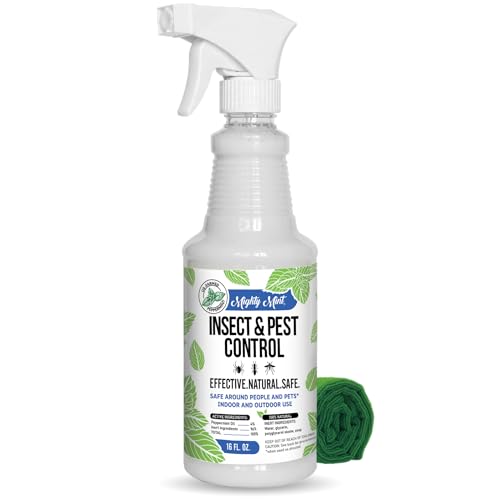
Mighty Mint
Mighty Mint Peppermint Oil Insect Repellent Spray, 16 oz
- Pet-Friendly & Family-Safe Formula – Mighty Mint is a top pick for pet parents looking for a natural pest control solution. Safe t…
- Powerful Plant-Based Pest Control – Formulated with extra-concentrated peppermint oil, this spray is a proven deterrent for spider…
- Effective Indoor & Outdoor Use – Designed for versatile application on baseboards, entryways, patios, and other areas. Helps repel…
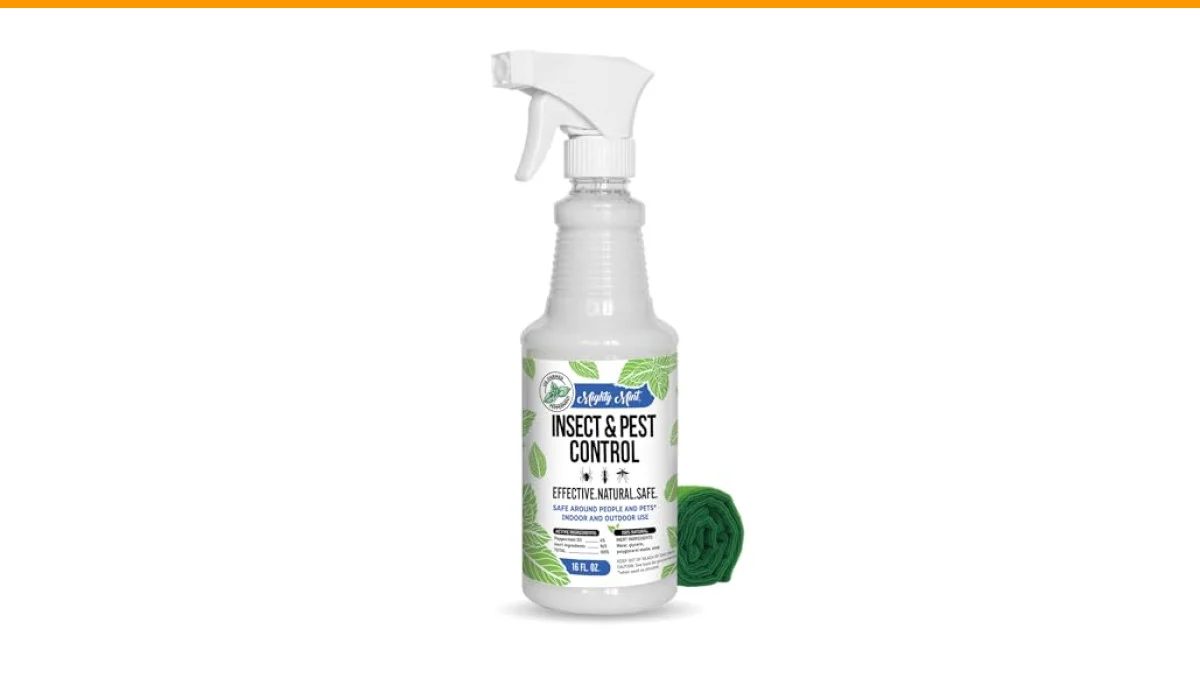
One product earns a spot in most serious rooftop setups. The Mighty Mint spray uses concentrated peppermint oil to deter spiders, ants, and roaches without synthetic fumes. It is safe around pets and children when applied as directed, and the ready-to-use bottle makes quick work of an ant trail heading toward your oregano. Keep one on the rooftop for spot treatments around container edges and railings.
Why Rooftop Gardens Attract Specific Pests
Elevated gardens face three conditions that ground gardens do not. Wind dries out soil and leaves, which stresses plants. Stressed plants emit chemical signals that attract pests like spider mites. Heat radiates off rooftops, especially black membrane or concrete, pushing temperatures 10 to 15 degrees higher than street level. That warmth accelerates insect reproduction cycles. An aphid population that doubles every five days at 70 degrees doubles every three days at 85 degrees.
Container gardening also removes natural predators. Ground-dwelling beetles and parasitic wasps rarely make it to the fifth floor. Without those checks, a few aphids become a colony in under a week. The isolation works in your favor too — you can quarantine new plants and control every input. No neighboring weeds, no contaminated soil, no shared root systems.
Common rooftop pests include aphids (curling yellow leaves, sticky honeydew), spider mites (fine webbing, stippled leaves), whiteflies (clouds of tiny white insects when you shake a plant), caterpillars (chewed edges and dark frass), and thrips (silver streaks on leaves). Fungus gnats appear when soil stays wet. Each requires a different approach, which is why blanket spraying rarely works.
Inspect Like a Practitioner: The 90-Second Check
You cannot control what you do not see. Weekly inspection catches problems when they involve a few leaves, not the whole plant. Do this every seven days, ideally in the morning when insects are less active.
- Pick up each container and examine the underside of leaves with a magnifying lens or your phone camera zoomed in. Aphids, thrips, and spider mites all start on the undersides.
- Run your hand gently over the foliage. If tiny white flies erupt, you have whiteflies.
- Look for sticky residue on leaves or the container rim. Honeydew signals aphids, whiteflies, or scale.
- Check new growth tips. Pests prefer tender tissue. Curled or distorted tips mean sucking insects have been feeding for several days.
- Slide a white piece of paper under a branch and tap it. Black specks that move are thrips. Reddish specks are spider mites.
- Feel the soil surface. If it stays wet for more than two days after watering, fungus gnats will lay eggs. Let the top inch dry out.
Pro tip: take a photo of each plant every week. Comparing photos side by side reveals slow decline that your daily eyes miss. Color changes and leaf distortion become obvious when you see last week’s healthy plant next to today’s struggling one.
Physical Controls First, Chemicals Second
Start with the least invasive method. A strong blast of water from a spray bottle knocks off aphids and spider mites. Do this every other day for a week. Most soft-bodied pests do not climb back up after being washed to the soil surface. For potted herbs, you can also dunk the entire plant upside down in a bucket of room-temperature water with a drop of dish soap. Hold it submerged for two minutes, then let it drain. This drowns adult insects and washes away eggs.
Sticky traps work for fungus gnats and whiteflies. Place yellow cards horizontally near the soil surface — gnats fly low, whiteflies fly up when disturbed. Replace them weekly. For caterpillars, hand-picking is the most reliable method. Check plants at dusk with a flashlight; many species feed at night. Drop them into soapy water, not onto the ground where they crawl back.
Floating row cover is the overlooked rooftop weapon. Drape lightweight fabric over hoops or stakes and secure the edges. It blocks moths from laying eggs and keeps flying insects off while letting light and rain through. On a windy rooftop, use clips to hold it down. Remove it when herbs flower, since you want pollinators for any plants you let go to seed.
Biological and Spray Controls That Work
Beneficial insects work well on rooftops because the contained space keeps them near the target. Release ladybugs for aphids — one adult eats up to 50 aphids per day. Release them at dusk after watering so they stay instead of flying off. Predatory mites handle spider mite outbreaks; they multiply faster than their prey in warm conditions. For thrips, minute pirate bugs are the go-to predator. Order from a reputable supplier and release according to the infestation level on the package.
Insecticidal soap is the standard spray for soft-bodied pests. It dissolves their outer coating. Buy a commercial concentrate or make your own with one tablespoon of pure castile soap per quart of water. Spray every three to four days for two weeks. Neem oil works differently — it disrupts insect hormones and deters feeding. Mix according to label directions and spray in the evening to avoid leaf burn. Neither soap nor neem kills on contact with eggs, so repeat applications are necessary.
Peppermint oil sprays offer a third option. The Mighty Mint spray repels a broad range of insects through scent rather than toxicity. It works best as a barrier treatment — spray container rims, pot feet, and the edges of your growing area. Reapply after heavy rain or every two weeks. The fresh scent fades quickly, which is fine because the repellent effect is what matters. It will not eliminate an established infestation, so pair it with soap or neem for active outbreaks.
For persistent problems, consider systemic options. Diatomaceous earth sprinkled on soil deters crawling insects that emerge from the medium. It is sharp at a microscopic level and cuts insect exoskeletons. Wear a mask when applying — the fine dust irritates lungs. Reapply after watering. This works especially well for fungus gnat larvae in the soil.
| Control Method | Target Pests | Frequency | Best For |
|---|---|---|---|
| Water blast / dunk | Aphids, spider mites | Every 2-3 days for 1 week | Light infestations on sturdy herbs |
| Sticky traps | Fungus gnats, whiteflies | Replace weekly | Monitoring and reducing flying adults |
| Hand-picking | Caterpillars, beetles | Daily at dusk | Large pests on few plants |
| Ladybugs / predatory mites | Aphids, spider mites, thrips | Release once, monitor | Established infestations in warm weather |
| Insecticidal soap | Aphids, thrips, whiteflies, spider mites | Every 3-4 days for 2 weeks | Active outbreaks on edible plants |
| Neem oil | Aphids, mites, fungal issues | Weekly, evening application | Prevention and moderate infestations |
| Peppermint oil spray | Spiders, ants, roaches, general deterrent | Every 2 weeks or after rain | Barrier treatment around containers |
| Diatomaceous earth | Fungus gnat larvae, crawling insects | After each watering | Soil surface treatment in containers |
Prevention Through Plant Health and Layout
Healthy herbs resist pests better than stressed ones. Rooftop conditions stress plants through wind, heat, and rapid soil drying. Water consistently — most herbs prefer soil that dries slightly between waterings but never cracks. Mulch the soil surface with pebbles or straw to reduce evaporation and keep soil temperatures stable. Fertilize lightly; excess nitrogen produces soft, lush growth that aphids love. A balanced organic fertilizer at half strength every four weeks is enough for most culinary herbs.
Spacing matters more than you think. Cramped containers create humid microclimates where fungal diseases and mites thrive. Give each plant room for air to move between leaves. Group plants with similar water needs together. Basil and parsley need more water; rosemary, thyme, and oregano prefer drier conditions. Mixing them forces compromise that weakens one or the other.
Companion planting helps on a small scale. Interplant marigolds or nasturtiums among your herbs — they attract aphids away from your basil and mint. The sacrifice plants take the hit while your culinary herbs stay clean. Check the trap plants weekly and remove heavily infested ones entirely. This strategy works better on rooftops than in large gardens because you control the ratio of trap to crop plants.
Learn more about broader organic pest control methods that apply beyond herbs. For a deeper look at identifying specific herb pests, this herb pest guide covers symptoms and treatments in more detail.
Frequently Asked Questions
How often should I spray my rooftop herbs for pests?
Only spray when you see a problem or as a weekly preventive. Preventive sprays like neem or peppermint oil go on every 7 to 14 days. Active treatments for an infestation go on every 3 to 4 days until you see no new damage for a week. Spraying daily risks leaf burn and washes away beneficial insects. Check the label on your specific product for the maximum frequency.
Can I eat herbs right after spraying pest control?
Read the label — each product has a specific pre-harvest interval. Insecticidal soap and neem oil typically require 1 to 7 days before harvest. Peppermint oil sprays vary; check the label for edible crop guidance. When in doubt, wash leaves thoroughly with water and a drop of dish soap, then rinse. For daily use herbs like basil, keep one plant untreated as your kitchen supply while treating the others.
Why do my herbs keep getting pests even after I spray?
Three reasons usually explain it. You are not spraying the undersides of leaves where pests hide. You stopped spraying too soon — eggs hatch days after adults die. Or your plants are stressed from wind or heat, which attracts pests despite repellents. Fix the environment first. Add a windbreak, shade cloth for afternoon heat, and consistent watering. Then pests have less reason to stay.
Are ladybugs effective on a windy rooftop?
They can be, but you must release them correctly. Ladybugs fly away within hours if released during the day in dry conditions. Water your plants first, release them at dusk, and they will stay to eat aphids. Expect some loss to wind. For very exposed rooftops, predatory mites work better because they cannot fly away. They crawl from leaf to leaf and stay until the prey is gone.
What is the best way to prevent pests without any chemicals?
Start with clean soil and clean plants. Use fresh potting mix, not garden soil. Inspect every new plant before bringing it to the rooftop — quarantine newcomers for a week. Use floating row cover from day one. Keep plants healthy with proper watering and light feeding. Remove any infested leaf immediately. These physical and cultural controls prevent 80 percent of pest problems before they start.
Three Mistakes That Ruin Rooftop Pest Control
Mistake one: spraying only the top of leaves. Most pests live on the underside. Spray from below, angling the nozzle upward to coat the leaf backs. Hold the bottle six to eight inches away and mist until the underside glistens. This single habit improves effectiveness more than any product choice.
Mistake two: ignoring the container and surrounding area. Ants farm aphids. They carry aphids to your plants and protect them from predators. If you kill aphids but leave ant trails, new aphids arrive within days. Treat container rims, the deck surface, and any cracks with a barrier spray like Mighty Mint. Break the ant trail and aphid colonies starve.
Mistake three: waiting until the infestation is visible. By the time you see webbing or curled leaves, the population has been growing for two weeks. The solution is routine inspection, not stronger chemicals. Spend 90 seconds per plant weekly. Catch problems at five aphids, not five hundred. Early intervention means one spray application instead of three weeks of repeated treatments.
What to Do Right Now
- Do a full inspection today — check undersides of leaves, new growth tips, and soil surface. Take photos for comparison next week.
- Set a weekly reminder for the 90-second check. Consistency beats intensity.
- Keep a bottle of insecticidal soap and a bottle of Mighty Mint spray on hand. Use soap for active outbreaks, mint for prevention.
- Mulch every container with pebbles or straw to reduce stress from heat and drying wind.
- Quarantine any new plant for five days before placing it near your established herbs.
- Stop fertilizing if you see soft, rapid growth — that is an aphid invitation.
- Accept that some pest pressure is normal. Your goal is harvestable herbs, not a sterile environment.