


The Best Direct Sunlight Plants and Shade Solutions for a Sun-Scorched Garden
Contents
You bought a beautiful fern, placed it on a sunny windowsill, and watched it turn crisp in three days. Or maybe your tomatoes stalled in July because the afternoon sun was just too intense. Finding plants that actually enjoy direct sunlight is one thing. Keeping them from frying when the heat spikes is another challenge entirely.
A great direct-sun plant needs more than a tolerance for bright light. It needs thick leaves, efficient water use, and a root system that handles rapid drying. The right shade cover can also turn a harsh exposure into a productive growing space. The wrong one blocks too much light and leaves you with leggy, pale growth.
This guide covers the best shade solutions for direct sunlight situations, from full tree covers to adjustable umbrellas. We’ll look at five products that solve different problems, then break down how to match them to your actual light conditions and plant types.
Here’s a quick look at how these five options compare on the specs that matter most.
| Features | DECOHS 2-Pack Cover | DECOHS Single Cover | Twintaogo Plant Umbrellas | ZAHESIDS Plant Cover | Mizelu Shade Cloth |
|---|---|---|---|---|---|
| Material | Non-woven fabric | Non-woven fabric | Silver-coated alloy frame | Polyethylene fabric | Polyethylene |
| Size | 5 x 3.3 ft | 3.3 x 2.6 ft | 23.6 inch diameter | 39.37 x 31.5 inch | 6.6 x 3.3 ft |
| Mounting Style | Drawstring bottom | Drawstring bottom | Adjustable pole and angle | Drawstring bottom | Grommets for rope |
| Light Transmission | Full spectrum white | Full spectrum white | Blocks 75% sunlight | Diffuses to balanced spectrum | 60% shading |
| Best Use Case | Small trees, shrubs | Potted plants, flowers | Potted flowers, garden beds | Fruit trees, berry bushes | Garden rows, greenhouses |
2 Pcs Garden Plant Shade…
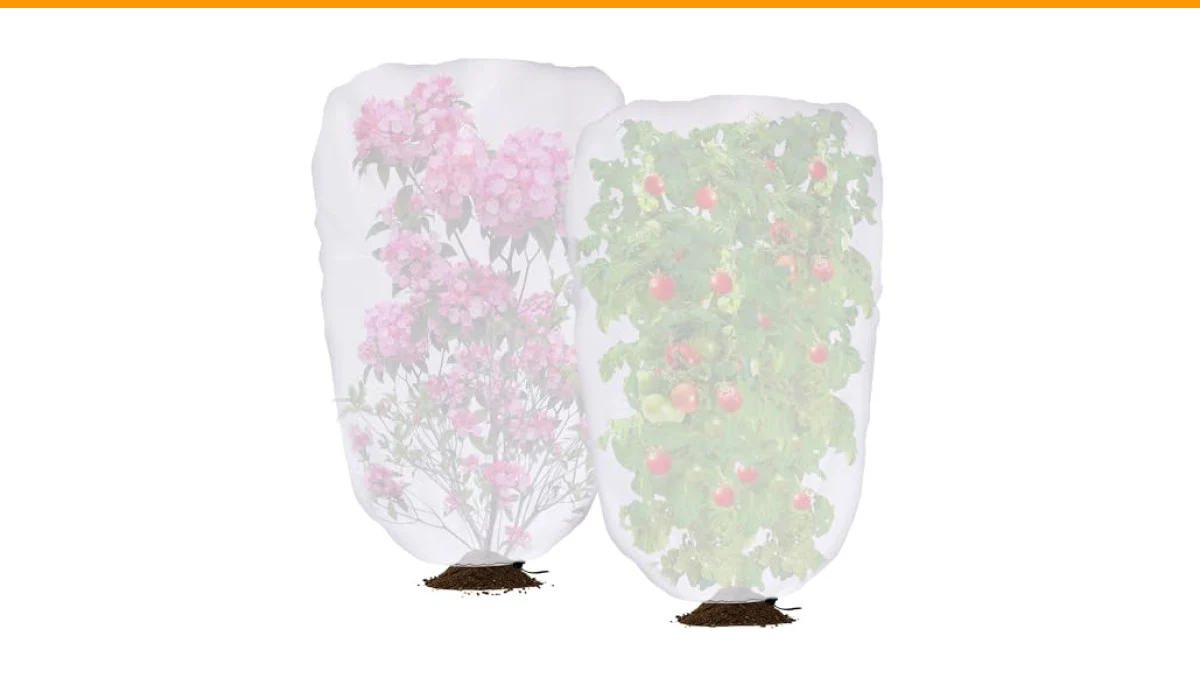
DECOHS sells this as a two-pack of white non-woven covers, each measuring 5 by 3.3 feet. That size works well for small fruit trees, young shrubs, or a cluster of tomato plants in raised beds. You get two covers, so you can protect two separate areas without buying twice.
The drawstring at the bottom is the standout feature. You drape the cover over the plant, then cinch it tight so wind doesn’t flip it off during a summer storm. White non-woven fabric refracts light across the spectrum instead of blocking it entirely. That means your plants still get the light they need for photosynthesis without the leaf-scorch risk of raw afternoon sun.
Here’s the trade-off. Non-woven fabric isn’t as durable as woven polyethylene over multiple seasons. Expect to replace these after a year or two of heavy UV exposure. The 5-foot width also won’t cover a mature tree canopy, so this is strictly for smaller plants or partial coverage.
- Two covers per pack, each 5 x 3.3 ft
- Adjustable drawstring prevents wind lift
- White fabric refracts full-spectrum light
- Breathable and tear-resistant for summer use
- Best for small trees, shrubs, and tomato cages
Best for: Gardeners with a few small trees or veggie patches who want a simple drape-and-tie solution.
3.3×2.6Ft Garden Plant Sh…
2nd Pick
DECOHS
3.3x2.6Ft Garden Plant Shade Cover with Drawstring,Non-Woven Sunshade Cloth | White Light Refraction Breathable Tomato Sunshade Protection for Protect Plants from Direct Sunlight
- Full Spectrum White Light Refraction: Our shade cover for garden can not only effectively block strong direct sunlight, prevent ex…
- Quality Material: Our garden sunblock shade cover is made of non-woven fabric, good light transmission, lightweight, tear resistan…
- Drawstring Design: Our plant sun shade cover is designed with an adjustable drawstring at the bottom, which is very convenient to…
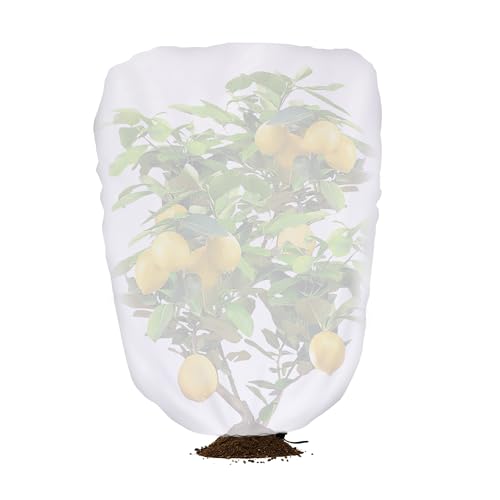
This is the smaller sibling to the two-pack above. You get one cover measuring 3.3 by 2.6 feet, which suits potted plants, individual flower bushes, or a single dwarf citrus tree on a patio. If you only have one problematic spot, this avoids the waste of buying a multi-pack.
The same drawstring design and white light-refracting fabric carry over. That consistency matters if you’ve used the larger version and liked the results. The smaller size also makes it easier to store in a shed or garage during winter. It folds down to roughly the size of a thick paperback.
One limitation worth noting: the 2.6-foot depth means this cover won’t protect a tall plant from low-angle morning or evening sun. It’s designed for overhead protection during peak hours. If your plants get blasted from the side at 5 p.m., you’ll need to reposition the cover or use a different approach.
- Single cover, 3.3 x 2.6 ft
- Drawstring closure for secure fit
- White non-woven fabric diffuses harsh light
- Lightweight and easy to store off-season
- Ideal for potted plants and small ornamentals
Best for: Patio growers or balcony gardeners with one or two potted plants that need a break from midday sun.
Twintaogo 6 Pcs Plant Umb…
3rd Pick

Twintaogo
Twintaogo 6 Pcs Plant Umbrellas for Outdoor Plants, 2/3/4/6 Pcs Available, Potted Garden Bedst Umbrella Shade with Adjustable Angle to Defend Plants From Direct Sunlight
- Plant Umbrellas for Outdoor Plants: We provide 6pcs plant shade umbrellas for your summer garden,diameter 23.6". The interior is c…
- Adjustable Angles & Heights Design: The bendable spring at the top of the handle can adjust the angle freely, ensuring perfect sha…
- Stable & Weather-Resistant: Durable alloy frames ensure longevity. Adjustable height suits various plants. Can withstand wind, rai…
Twintaogo takes a different approach. These are six individual plant umbrellas, each with a 23.6-inch diameter canopy and a silver-coated interior. You stake them into the soil or a pot, then adjust the angle and height to block sun from a specific direction. The pole extends from 24 to 40 inches, so you can raise them as plants grow.
The adjustable spring at the top lets you tilt the canopy to match the sun’s path. That’s genuinely useful for west-facing beds that get hammered from 2 p.m. onward. The silver coating blocks about 75% of direct sunlight while still letting some ambient light through. Your plants stay cooler, and you water less often because evaporation slows down.
Six umbrellas sound like a lot, but they’re small. Each one covers roughly a 2-foot circle. You’ll use them for individual potted flowers or spaced-out garden bed plants, not a continuous row. The alloy frames hold up to wind and rain better than fabric covers, but they can tip in saturated soil if you don’t push the stake in deep enough.
- Six umbrellas with 23.6-inch canopies
- Adjustable angle and height (24 to 40 inches)
- Silver-coated interior blocks 75% sunlight
- Alloy frame resists wind and rain
- Best for potted flowers and spaced garden bed plants
Best for: Container gardeners who want precise, adjustable shade for individual plants rather than a one-size-fits-all cover.
Plant Shades for Outdoor…
4th Pick

ZAHESIDS
Garden Plant Shade Cover With Drawstring 3.3x2.6ft Non-Woven Sunshade Cloth
- Sun shade for plants: This garden plant shade cover is expertly crafted from durable, lightweight polyethylene fabric that effecti…
- Breathable: As a reliable sun protection plant cover, shade cloth for trees shields your plants from UV damage and extreme tempera…
- Shade for trees sun protection: Engineered as a white light refraction fruit tree sunshade cloth. Your plants receive the ideal li…
ZAHESIDS makes a single cover measuring 39.37 by 31.5 inches from lightweight polyethylene. The material blocks harsh direct sun while letting air and moisture move through. That breathability matters for plants like hydrangeas or young berry bushes that are prone to powdery mildew when air stagnates.
The drawstring bottom works the same way as the DECOHS covers, but the polyethylene fabric feels more durable over repeated seasons. It resists tearing and holds its shape better after folding. The white color diffuses light into a balanced spectrum, which supports photosynthesis without the risk of sunburn on tender leaves.
One honest caveat: polyethylene doesn’t breathe quite as freely as non-woven fabric. In extremely humid climates, you might see condensation buildup under the cover during early morning. Shake it off or lift the cover for an hour after sunrise to let things dry out.
- Single cover, 39.37 x 31.5 inches
- Polyethylene fabric resists tearing
- Breathable design reduces heat stress
- Drawstring for secure wind-resistant fit
- Works for fruit trees, berry bushes, and potted plants
Best for: Growers who want a durable, reusable cover for fruit trees or berry bushes in humid summer climates.
6.6 x 3.3 Ft Plant Sun Sh…
Mizelu’s shade cloth is the largest option here at 6.6 by 3.3 feet, and it uses a different mounting system. Four reinforced grommets in the corners let you thread rope or zip ties through and suspend it above plants. That makes it ideal for creating a shade canopy over a garden row, a greenhouse bench, or a balcony railing planter.
The 60% shading rate hits a sweet spot for direct-sun plants. It cuts the intensity of harsh midday light without plunging your plants into deep shade. Succulents, herbs, and heat-loving vegetables like peppers and eggplant still get enough light to thrive. The polyethylene material resists deformation and holds up to daily outdoor wear.
Because it’s a flat sheet rather than a fitted cover, you’ll need a frame or existing structure to hang it from. That’s extra work compared to a drawstring cover. But the flexibility is worth it if you want to shade a whole section of garden rather than individual plants.
- Large 6.6 x 3.3 ft sheet
- 60% shading rate for balanced light
- Four reinforced grommets for hanging
- Durable polyethylene resists deformation
- Best for garden rows, greenhouses, and balcony setups
Best for: Gardeners who need overhead shade for a row of plants or a greenhouse bench and have a structure to hang it from.
How We Chose These Products
We evaluated these five options based on how well they solve real problems for direct-sunlight gardeners. That means looking at light transmission rates, mounting methods, material durability, and the specific plant types each product suits. A cover that works for a potted succulent won’t help a mature fruit tree, so we weighed versatility heavily.
We also considered ease of use. Drawstring covers go on in seconds. Umbrellas need staking and angle adjustment. Shade cloth requires a frame. Each approach has trade-offs, and we noted them honestly rather than pretending one product does everything.
Buying Guide: What Really Matters
Light transmission percentage is the first spec to check. A 60% shade cloth works for sun-loving plants that just need a break from peak intensity. A 75% block suits plants that burn easily, like young maples or hydrangeas. Match the percentage to your plant’s natural tolerance, not to what looks darkest.
Mounting style determines where you can use the product. Drawstring covers fit over individual plants or small trees. Umbrellas work in pots and garden beds with soil to stake into. Grommeted shade cloth needs a frame, fence, or overhead structure. Think about your space before you buy.
Material durability affects how many seasons you get. Non-woven fabric is cheaper but breaks down faster under UV. Polyethylene lasts longer but costs a bit more upfront. Alloy frames on umbrellas outlast fabric, but the canopy still wears out eventually. Check the current price on Amazon and weigh cost per season, not just sticker price.
Our Top Recommendation
The Twintaogo 6 Pcs Plant Umbrellas win for most home gardeners. They’re adjustable, reusable, and solve the problem of directional sun that fabric covers can’t address. The silver coating blocks enough light to prevent scorch without starving plants. Six umbrellas give you flexibility to protect multiple pots or garden bed spots.
For a budget-friendly alternative, the DECOHS 2-Pack covers offer good value if you just need to drape something over a couple of small trees. For large garden rows, the Mizelu shade cloth is the better choice because of its size and grommet mounting system. Each pick serves a different scale and setup.
Frequently Asked Questions
Can I leave shade covers on my plants all summer? Yes, but check underneath weekly. Non-woven and polyethylene covers can trap moisture and encourage fungal issues if left on during cool, damp nights. Remove or lift them on overcast days to let air circulate.
Will a 60% shade cloth work for succulents in full sun? It depends on your climate. In mild coastal areas, succulents often handle raw sun fine. In desert or inland heat, 60% shading prevents scorch without causing etiolation. Watch for stretched, pale growth, which signals too little light.
How do I keep plant umbrellas from tipping over? Push the stake at least 6 inches into firm soil. In loose potting mix, add a weight like a brick or stone at the base. Watering deeply before staking also helps the soil grip the pole.
Do these covers work for indoor plants near sunny windows? The umbrellas can work indoors if you have a deep pot to stake into. Fabric covers are trickier indoors because they block too much light from a single window. For indoor sun protection, sheer curtains or adjustable blinds usually work better.
Matching Shade to Your Light Situation
Direct sunlight is great for the right plants, but even sun-lovers need a break when temperatures climb past 95°F. The five products here cover every scale, from a single potted hibiscus to a full garden row. Pick based on your mounting options and how much light you need to block.
If you’re still deciding which plants to grow in your sunny spot, start with succulents, tropicals, and heat-tolerant herbs. They handle bright light better than most ferns or calatheas. And if your space leans shady instead, there are plenty of best plants for low sunlight that thrive without direct rays.
For indoor growers dealing with intense window exposure, a best light spectrum for plants guide can help you understand how different wavelengths affect growth. And if you’re setting up a shelf or stand to maximize light exposure, a best indoor plant stands pick can make a real difference in how much sun your plants receive.